
Interventional Cardiology & Electrophysiology

Areas of Expertise
Cardiovascular and peripheral artery disease
Catheter-based diagnosis and treatment of coronary artery disease.
ExploreAblation treatment of heart rhythm disorders
Diagnosis and catheter-based treatment of heart rhythm disorders.
ExploreNon-surgical treatment of heart valve disease
Non-surgical, catheter-based treatment of heart valve disease.
ExploreDiagnostic cardiology
Diagnostic methods such as ECG, stress testing, Holter monitoring and echocardiography.
ExplorePeripheral artery disease diagnosis and treatment
Diagnosis and catheter-based treatment of narrowing and blockage in the arteries of the arms and legs.
ExploreCreate an Appointment
Contact
Reach us by phone, WhatsApp, or the contact form.
Assessment
Your complaints and medical history are reviewed.
Testing
Further testing or imaging is planned if needed.
Treatment
A suitable treatment approach is determined together.
Frequently Asked Questions
Interventional cardiology is the field of cardiology covering catheter-based evaluation of heart and vascular disease and, in suitable patients, treatment with interventional methods.
Interventional electrophysiology covers the evaluation of rhythm disorders arising from the heart's electrical system and, in suitable patients, their treatment with catheters or implantable devices.
You can reach us via the phone number and WhatsApp details on the contact page, or the appointment request form.
Gazimağusa: Mağusa Yaşam Hastanesi İskele: Long Beach Medical Center
At the first examination, your complaints, medical history, and any previous test results are assessed; further testing is planned if needed.
No. The content on this site is for general information purposes; a diagnosis and treatment plan is determined following an individual examination and evaluation.
In case of sudden chest pain, fainting, or similar emergency symptoms, it is recommended to go to the nearest emergency department without delay.
Patient information center
Informational content about the process before and after a procedure.
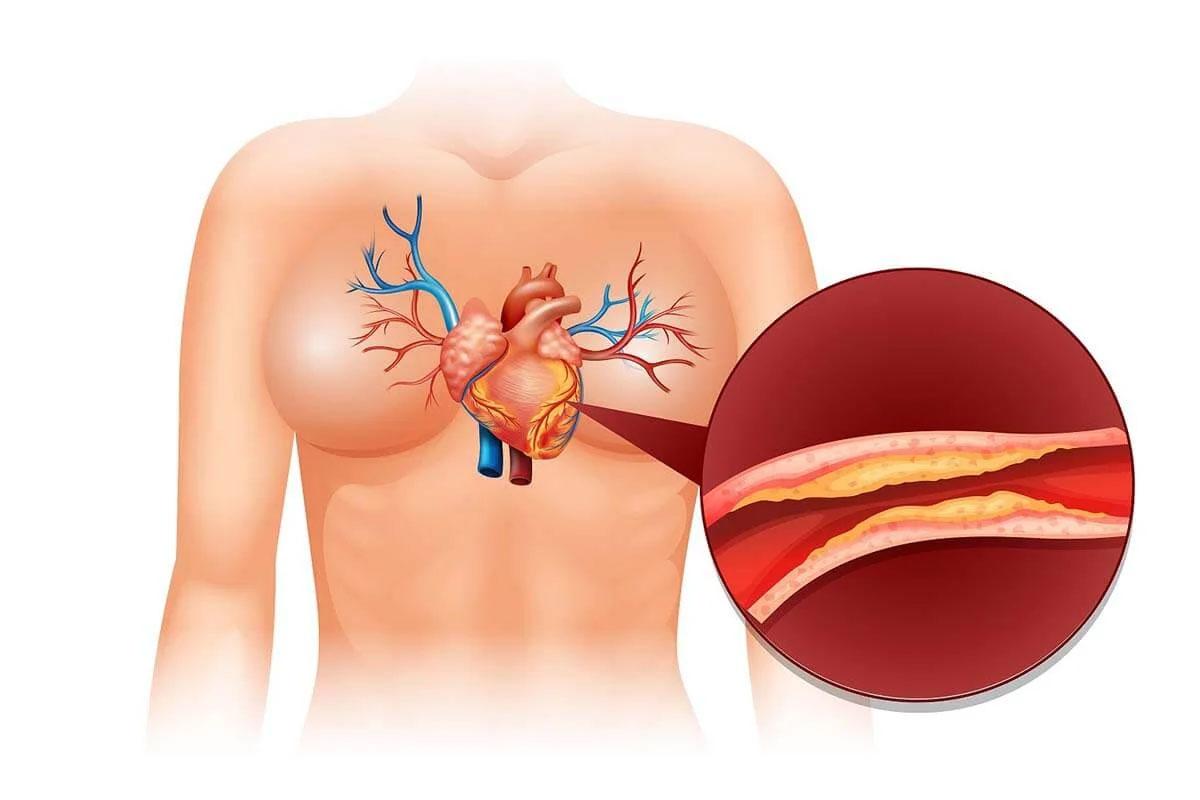
What Is Coronary Artery Disease?
Coronary artery disease: general information on symptoms, risk factors, diagnostic methods, and treatment options.
Learn More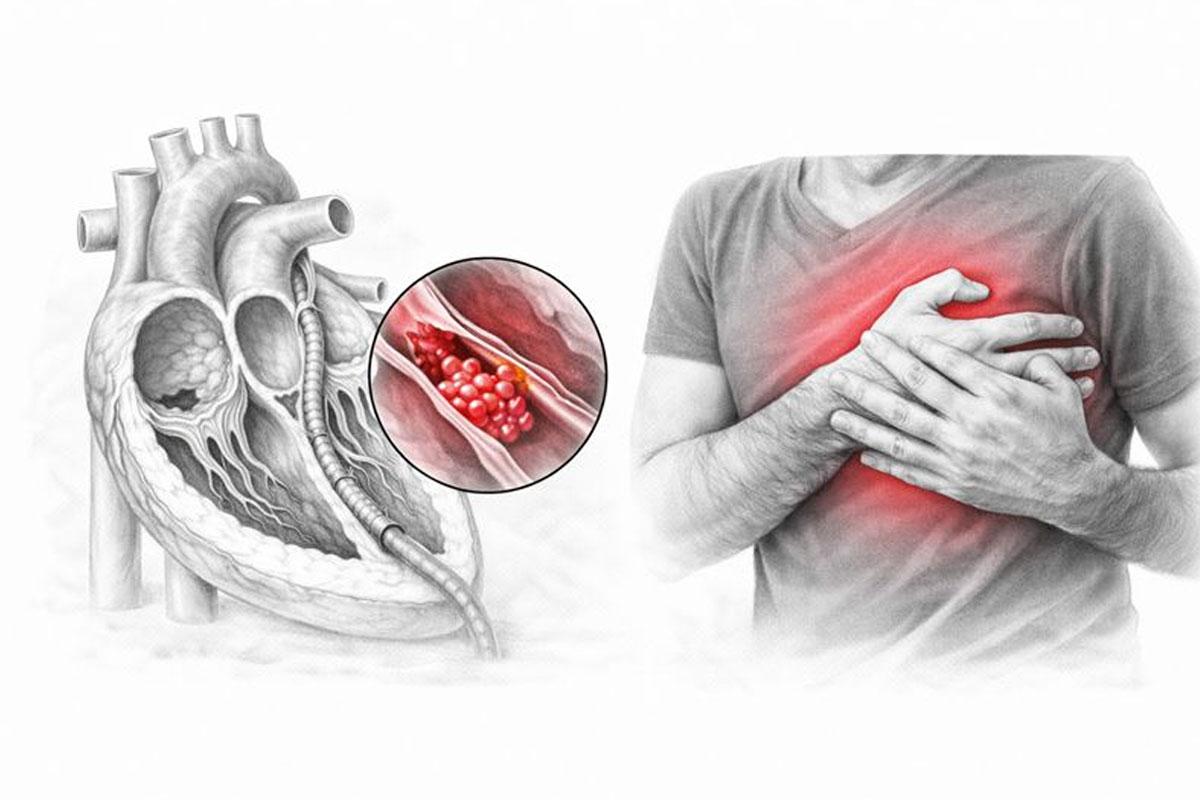
What Is a Heart Attack?
What is a heart attack, and what are its symptoms and risk factors? Learn about diagnostic methods, treatment options, and the follow-up process after treatment.
Learn More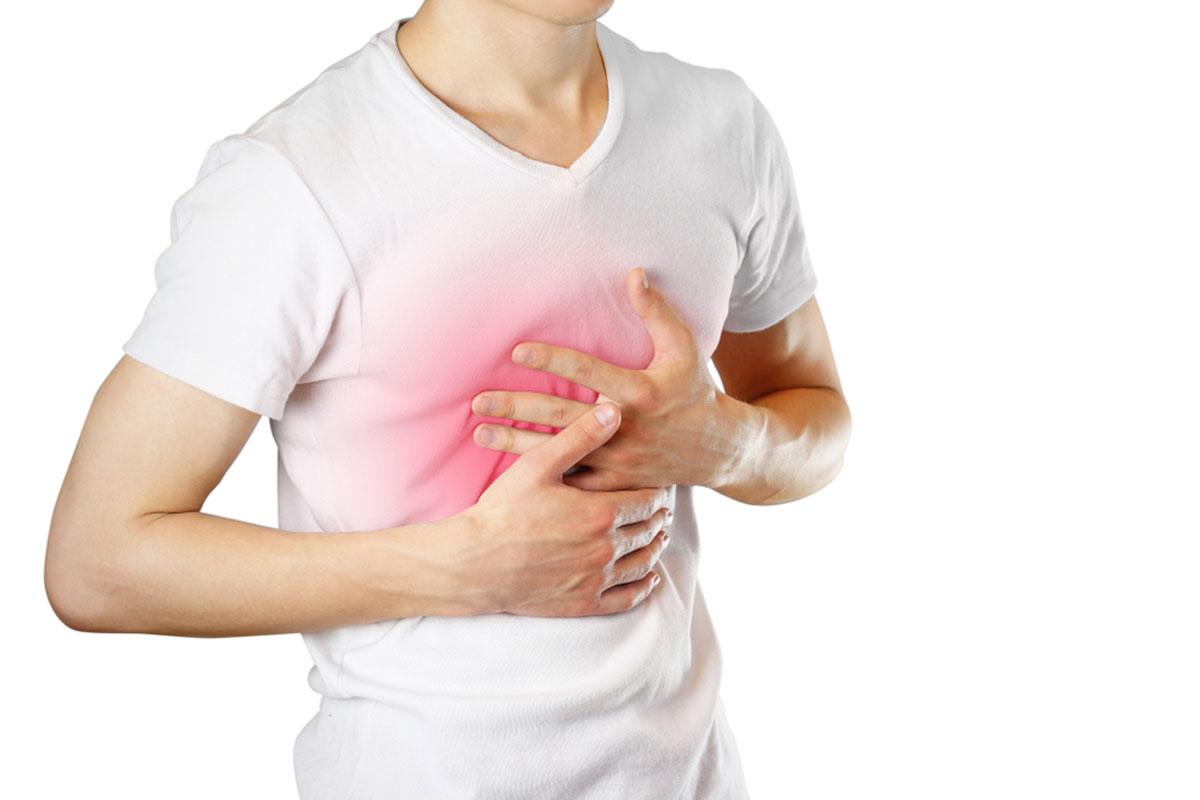
Chest Pain
Learn about the possible cardiac causes of chest pain, risk factors, diagnostic methods (ECG, echo, exercise testing, angiography), and treatment options.
Learn More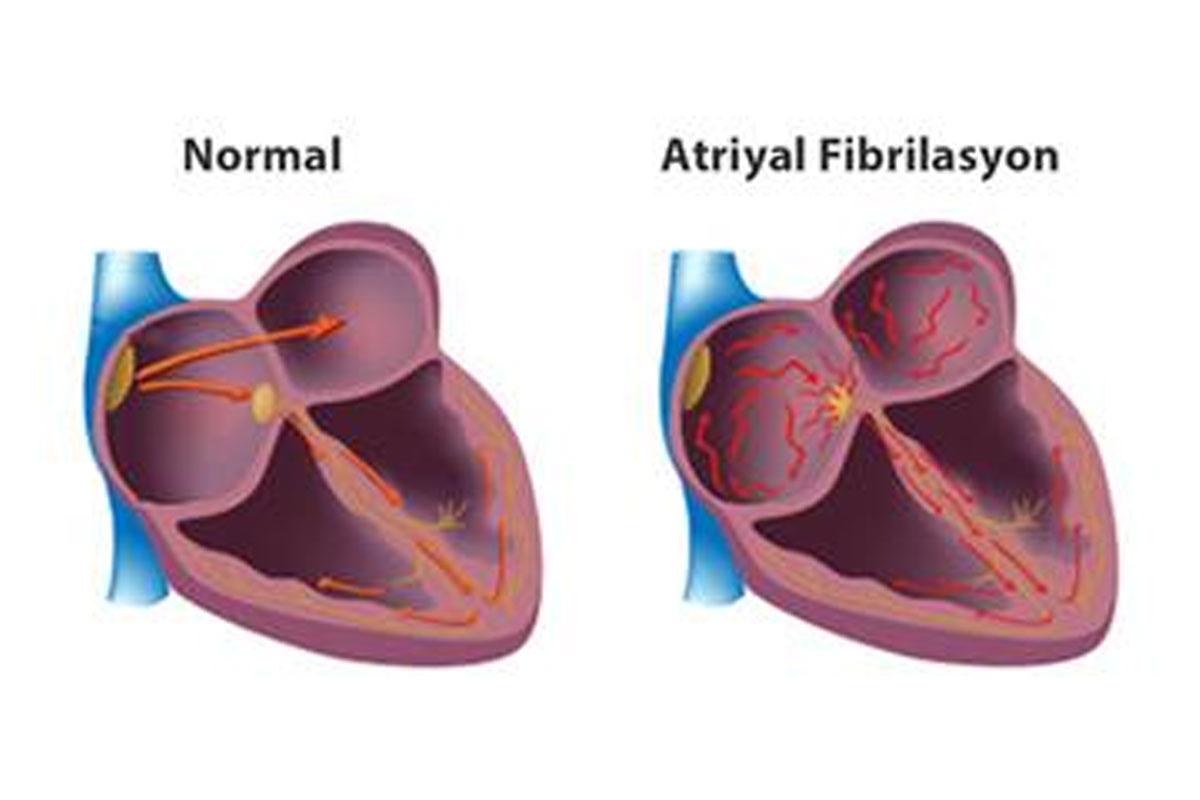
What Is Atrial Fibrillation?
Patient-focused, general information on the symptoms, risk factors, diagnostic methods, and treatment options for atrial fibrillation (AF).
Learn More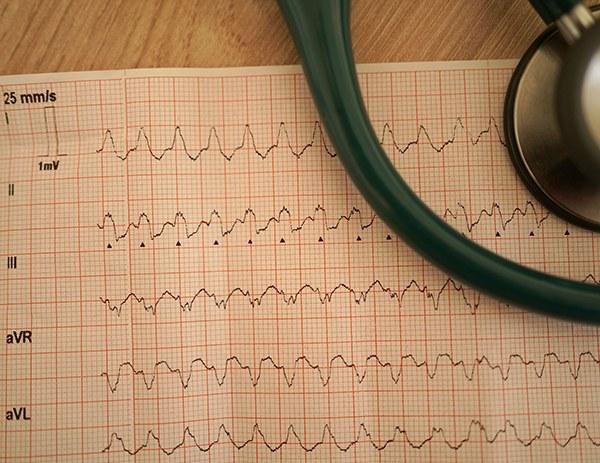
Tachycardia
What is tachycardia, and what are its symptoms and risk factors? General information on diagnostic methods and treatment options.
Learn More
Bradycardia
What is bradycardia, and what are its symptoms and causes? Learn about diagnostic methods, treatment options, and when to see a doctor.
Learn More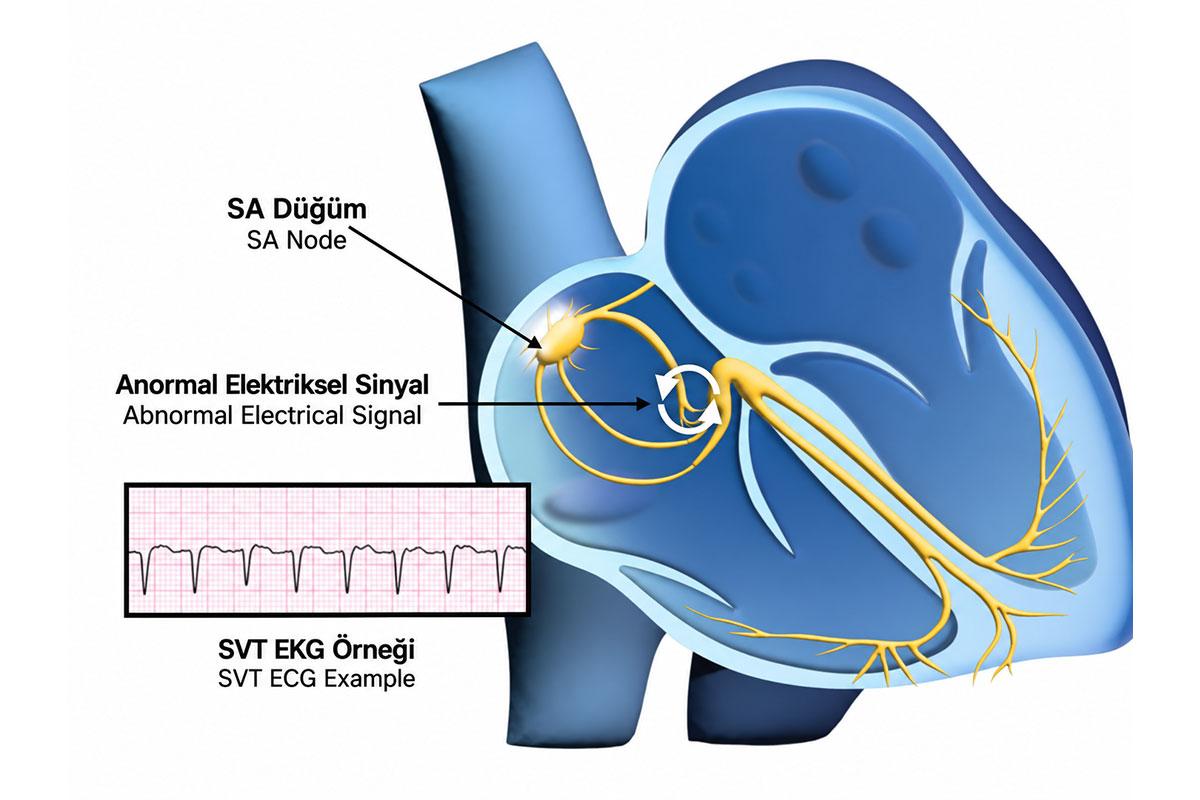
SVT (Supraventricular Tachycardia)
What is SVT (Supraventricular Tachycardia)? An overview of its symptoms, diagnostic methods, and treatment options, including catheter ablation.
Learn More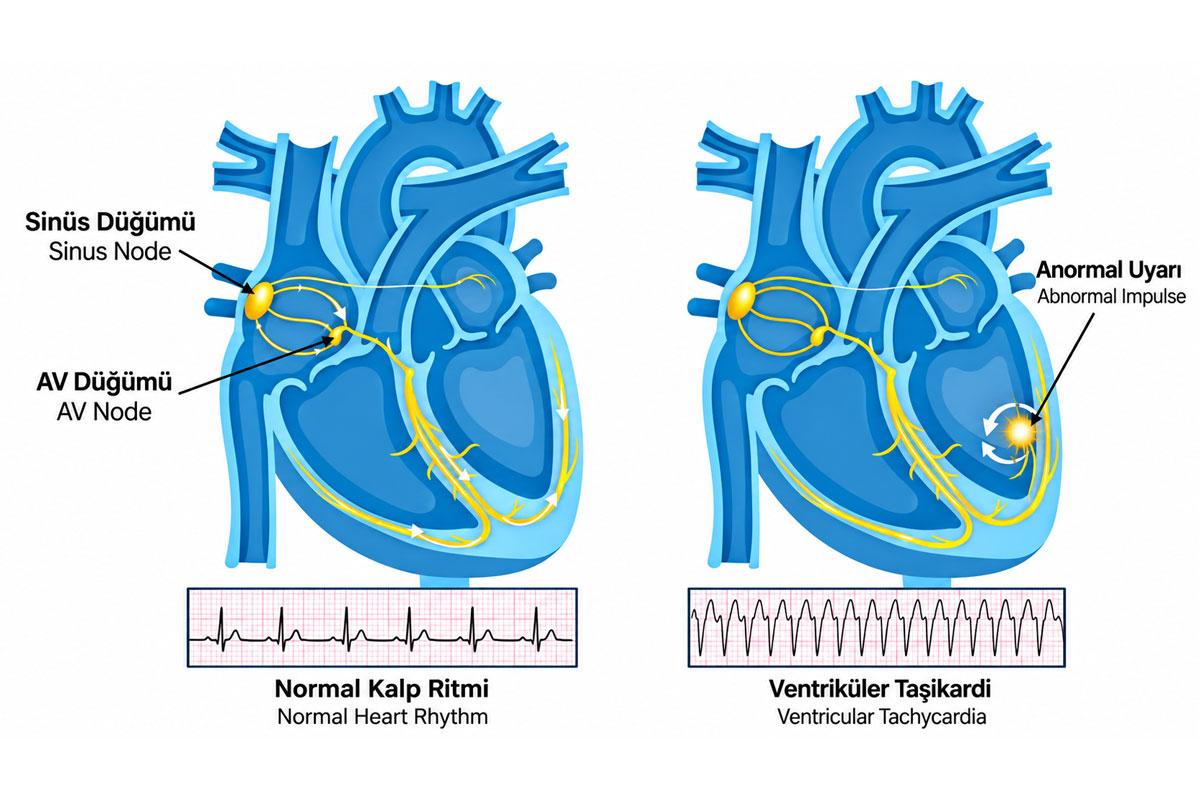
Ventricular Arrhythmias
What are ventricular arrhythmias? General information on symptoms and risk factors, diagnostic methods (ECG, Holter, EPS), and treatment options.
Learn More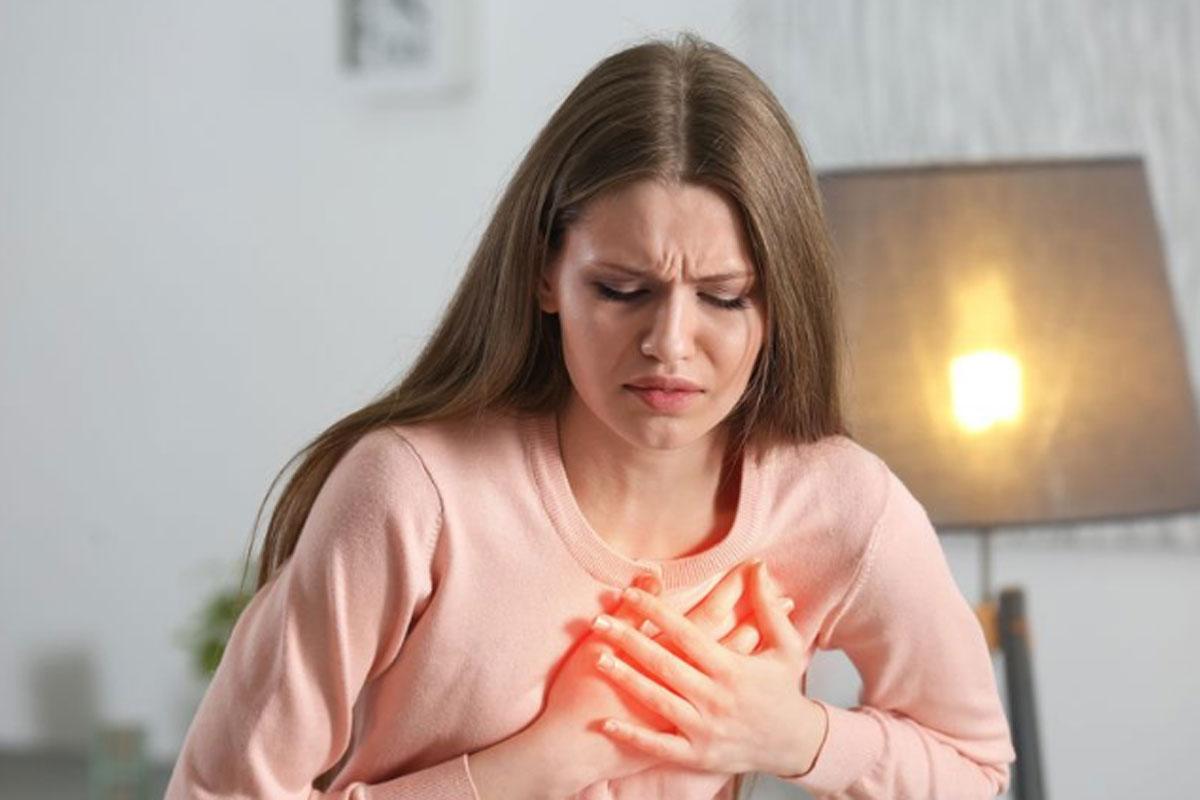
What Are Palpitations?
Possible causes of palpitations, diagnosis with ECG and Holter, and treatment options including catheter ablation.
Learn More
What Is Syncope (Fainting)?
What is syncope (fainting)? Symptoms, risk factors, and diagnostic methods, including ECG, ECHO, Holter, and electrophysiological evaluation.
Learn More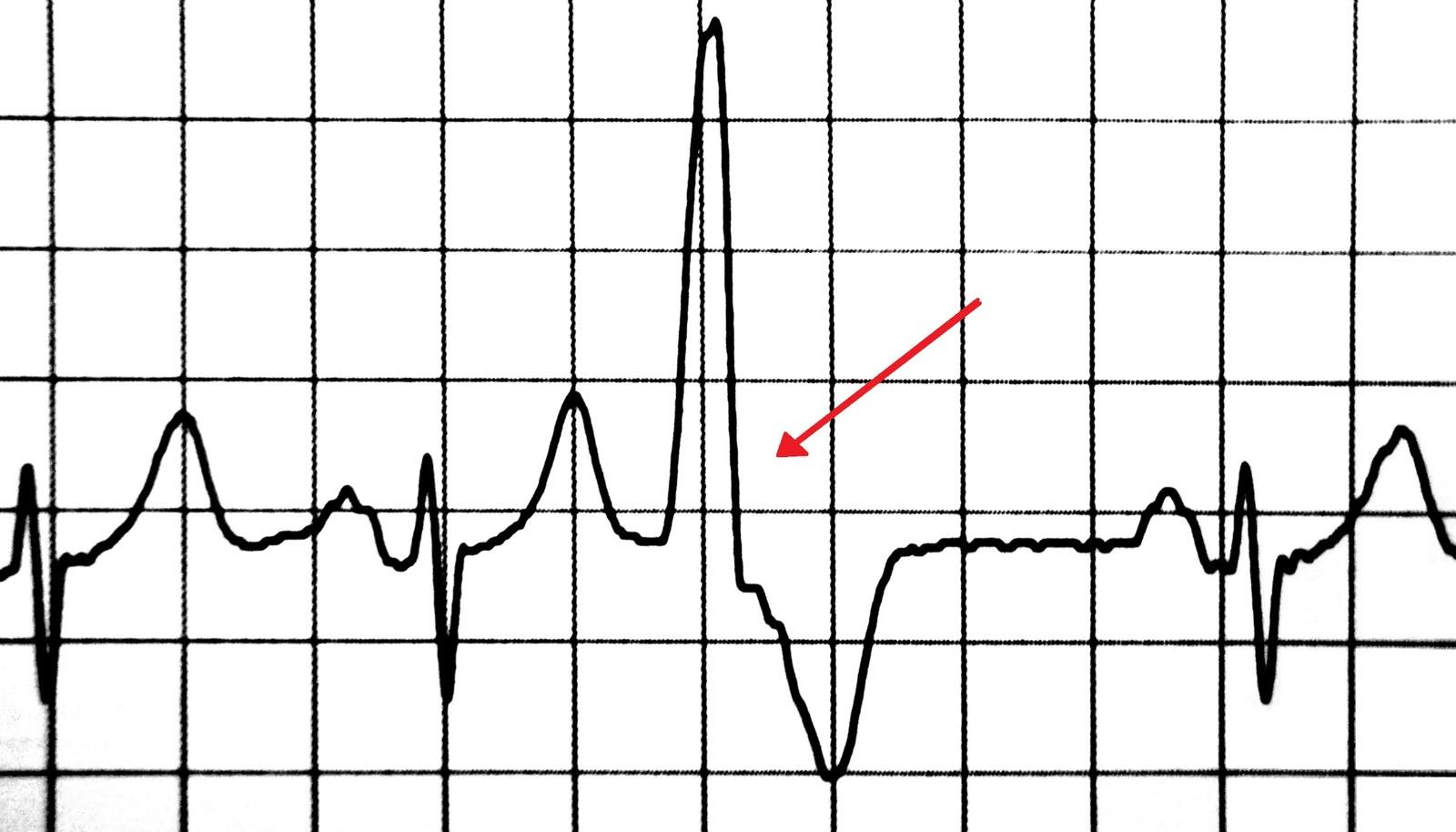
What Is Extrasystole?
What is extrasystole (a premature heartbeat)? Information on the difference between supraventricular and ventricular extrasystole, diagnosis with Holter ECG, and treatment with medication and catheter ablation.
Learn More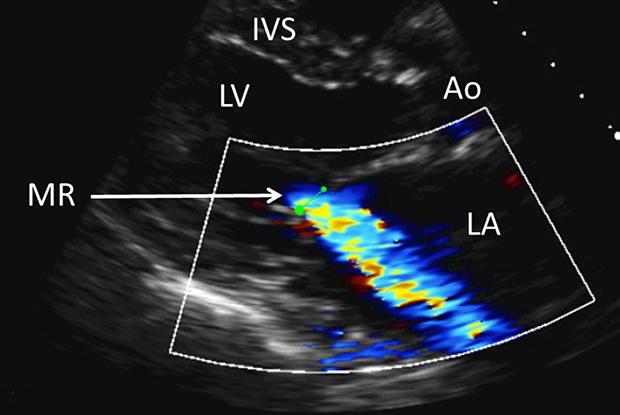
What Is Mitral Valve Insufficiency?
Mitral valve insufficiency is the incomplete closure of the heart's mitral valve, causing blood to leak backward from the left ventricle to the left atrium.
Learn More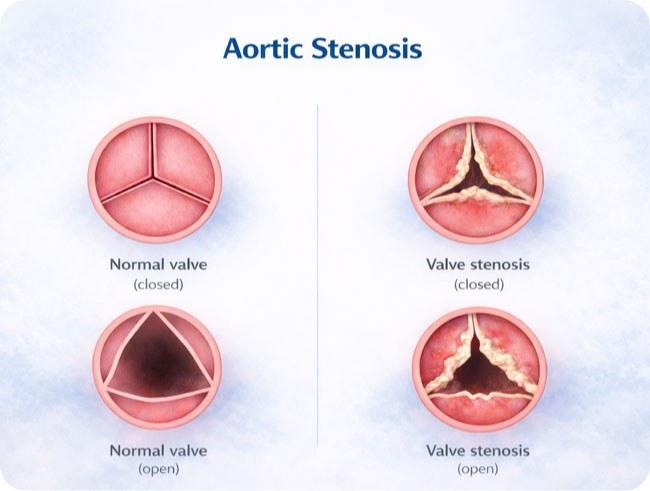
What Is Aortic Valve Stenosis?
What is aortic valve stenosis, what are its symptoms and risks? Information on diagnosis with echocardiography, follow-up, medication, TAVI and surgical valve replacement options.
Learn More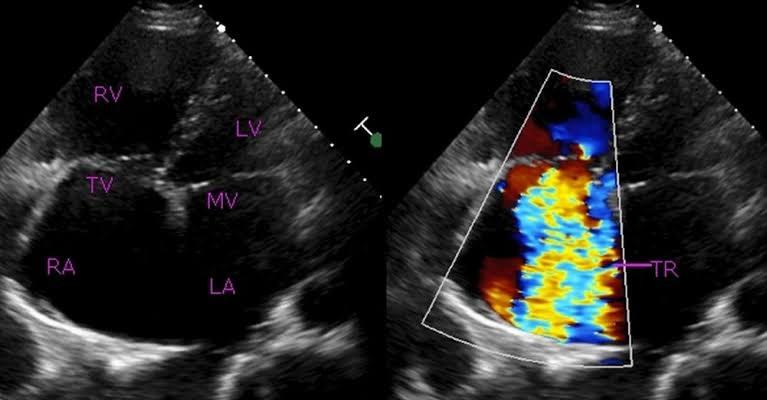
What Is Tricuspid Valve Insufficiency?
Tricuspid valve insufficiency is the incomplete closure of the heart's tricuspid valve, causing blood to leak backward into the right atrium.
Learn More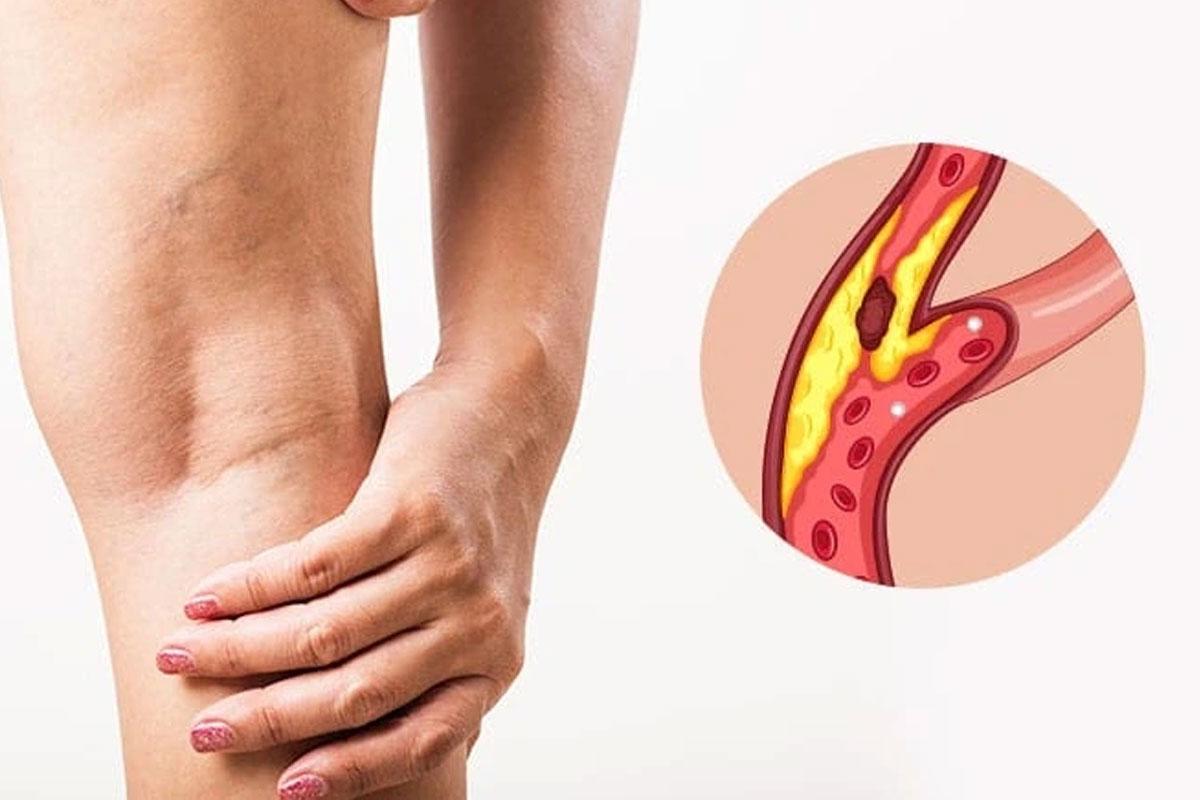
What Is Peripheral Artery Disease?
Current information on the symptoms, risk factors, diagnostic methods, and treatment options for coronary artery narrowing and blockage.
Learn More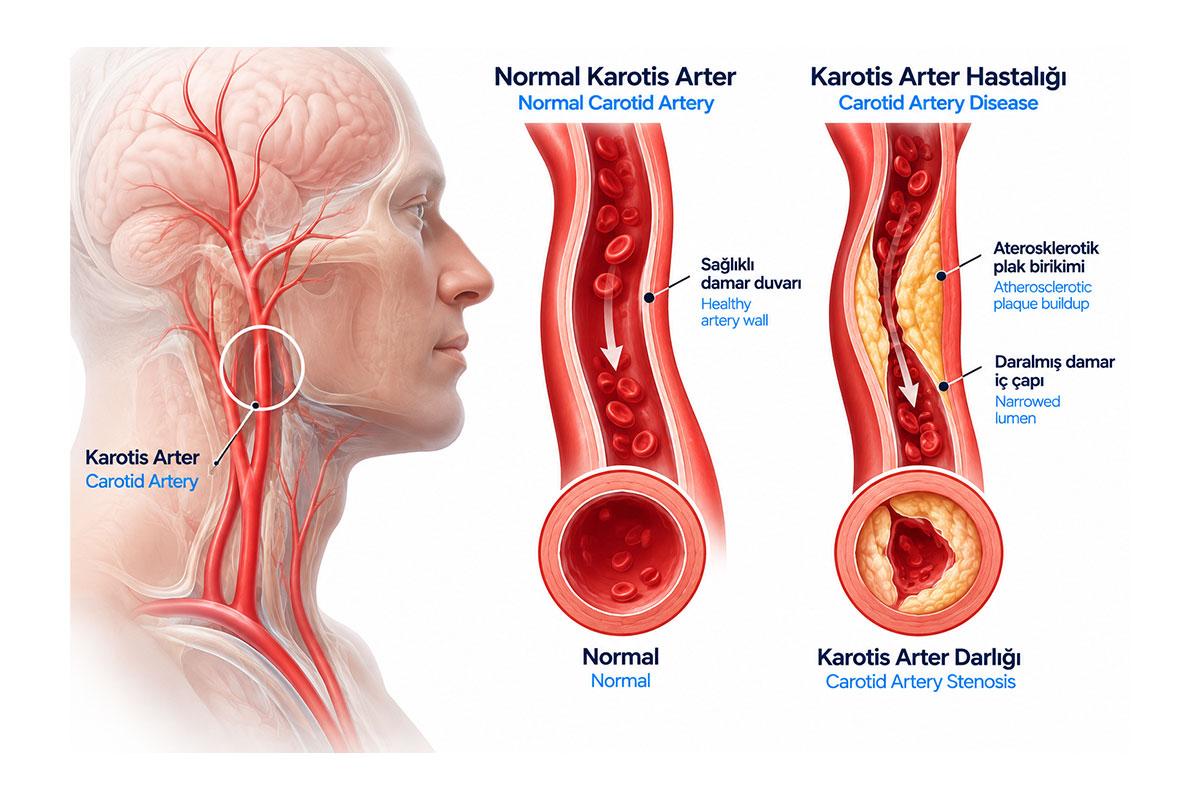
Carotid Artery Disease
Carotid artery disease: general information on stroke risk, symptoms, diagnostic methods, and stenting/endarterectomy treatment options.
Learn More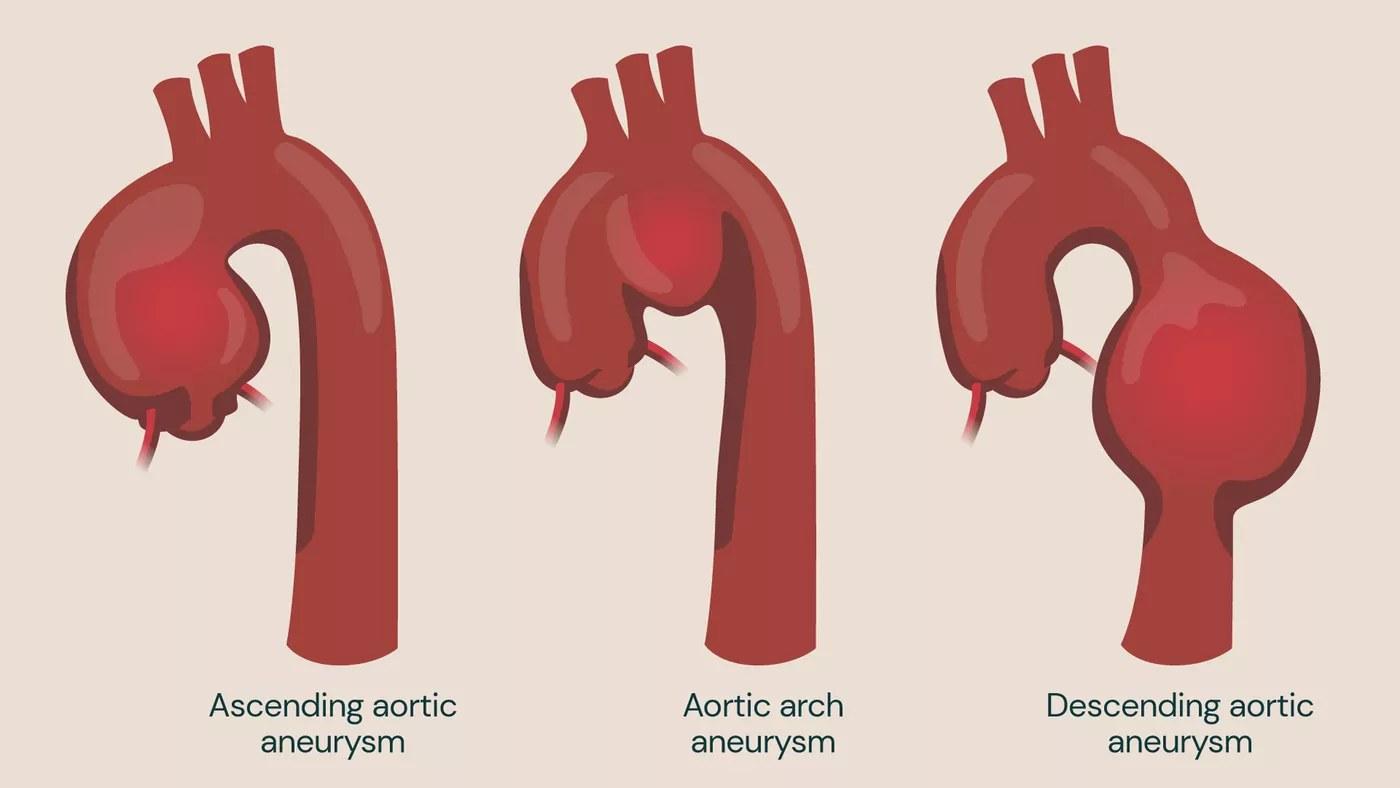
What Is an Aortic Aneurysm (Widening of the Aorta)?
What is an aortic aneurysm (widening of the aorta), what are its symptoms and risks? Information on monitoring, medication, endovascular and surgical treatment options.
Learn More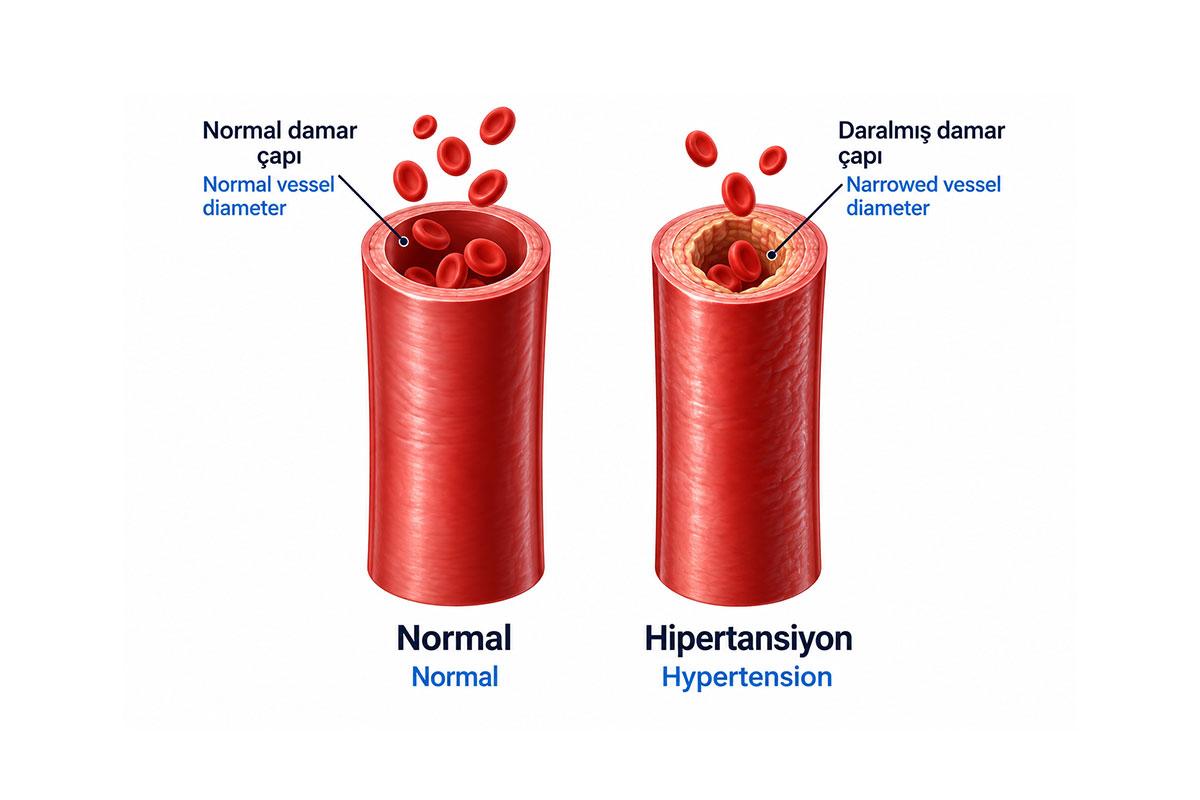
What Is Hypertension (High Blood Pressure)?
What is hypertension, and what are its symptoms and risk factors? General information on diagnostic methods and treatment options.
Learn More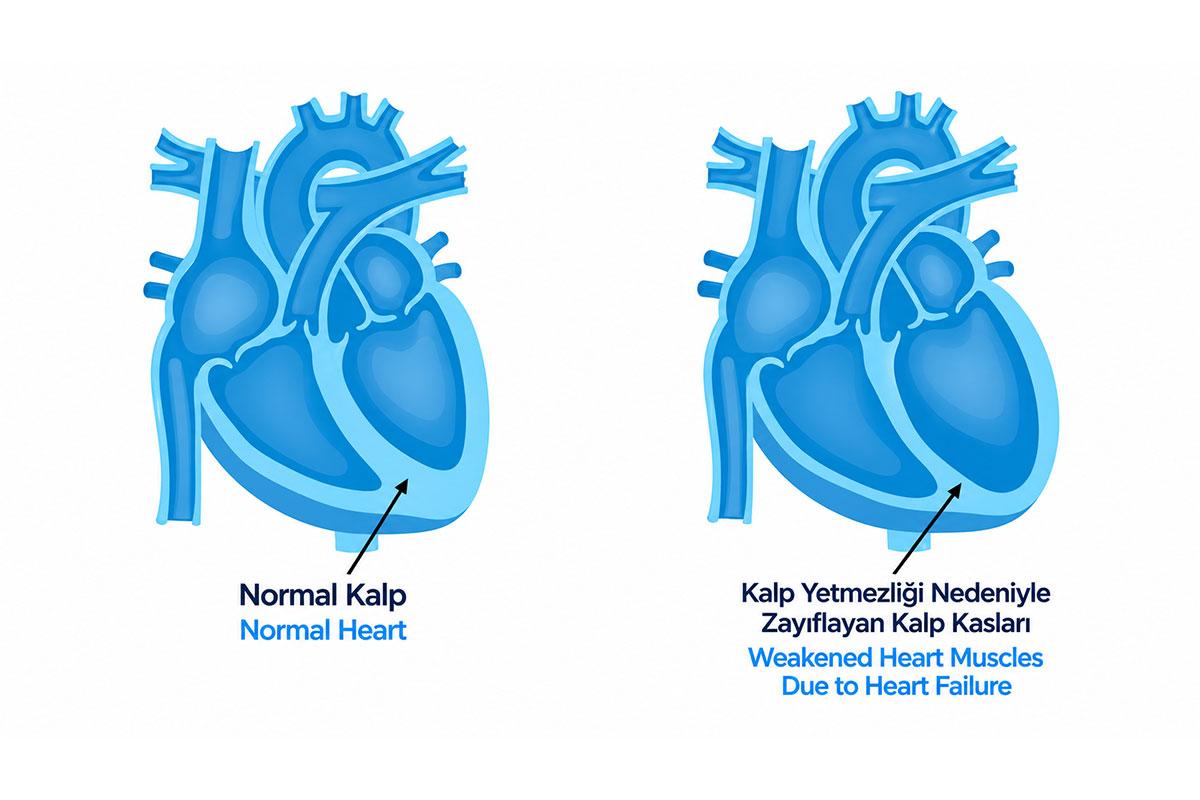
What Is Heart Failure?
What is heart failure, and what are its symptoms and risk factors? General information on diagnostic methods and treatment options.
Learn More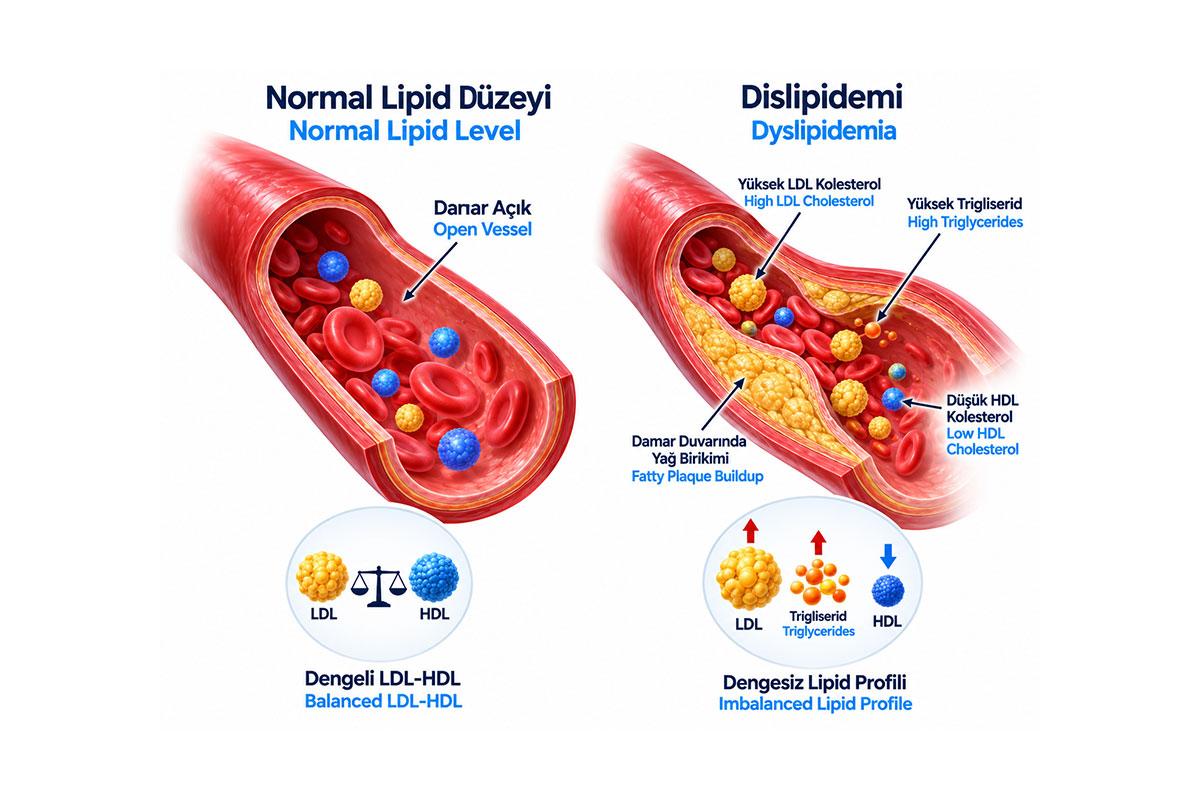
What Is Dyslipidemia (High Cholesterol)?
High cholesterol and arterial stiffness (atherosclerosis): symptoms, risk factors, diagnostic methods, and treatment options — general information.
Learn More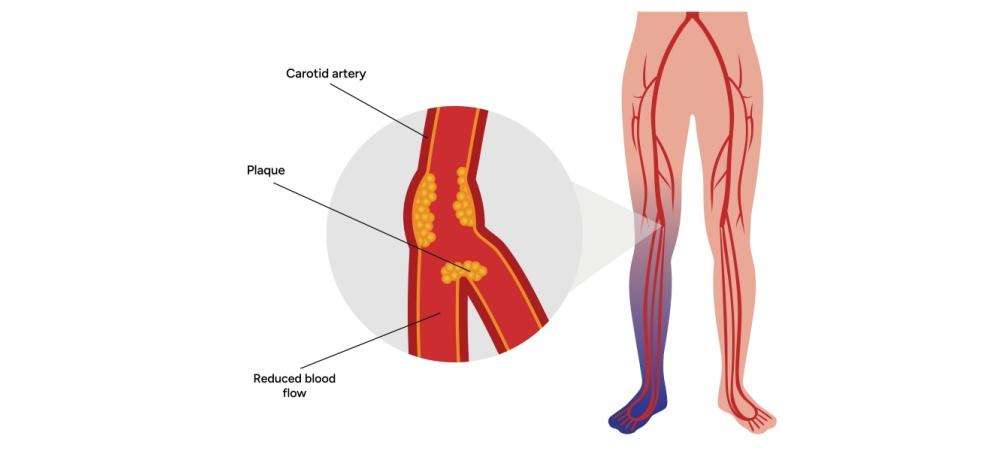
What Is Atherosclerosis (Arterial Hardening)?
Atherosclerosis is the gradual formation of plaques on the inner walls of the arteries due to the buildup of cholesterol, fat, and inflammatory cells.
Learn More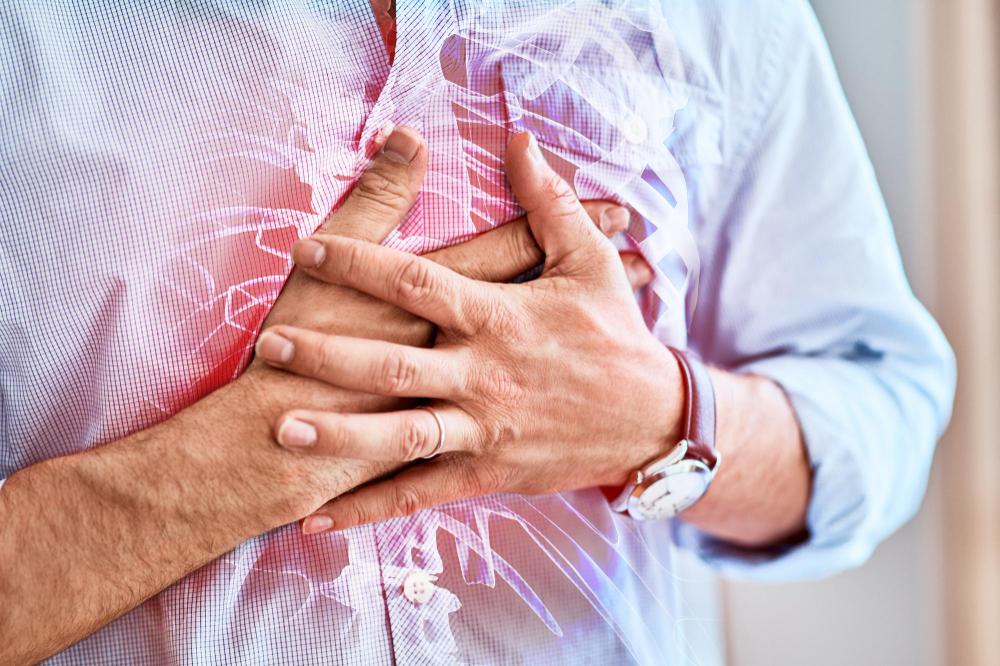
Can Cardiovascular Disease Be Prevented?
Many cardiovascular events can be prevented through early identification and management of risk factors — key preventive measures for heart health.
Learn More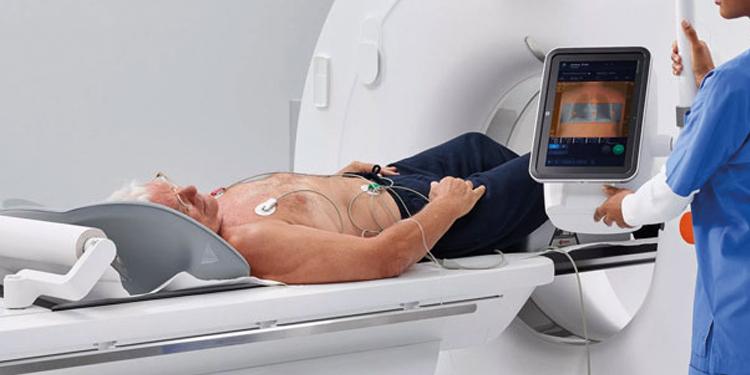
What Is CT Coronary Angiography (Virtual Angiography)?
What is CT coronary angiography (CCTA), when is it performed, what can it show, and how does it differ from conventional coronary angiography? Information on this non-invasive imaging method.
Learn More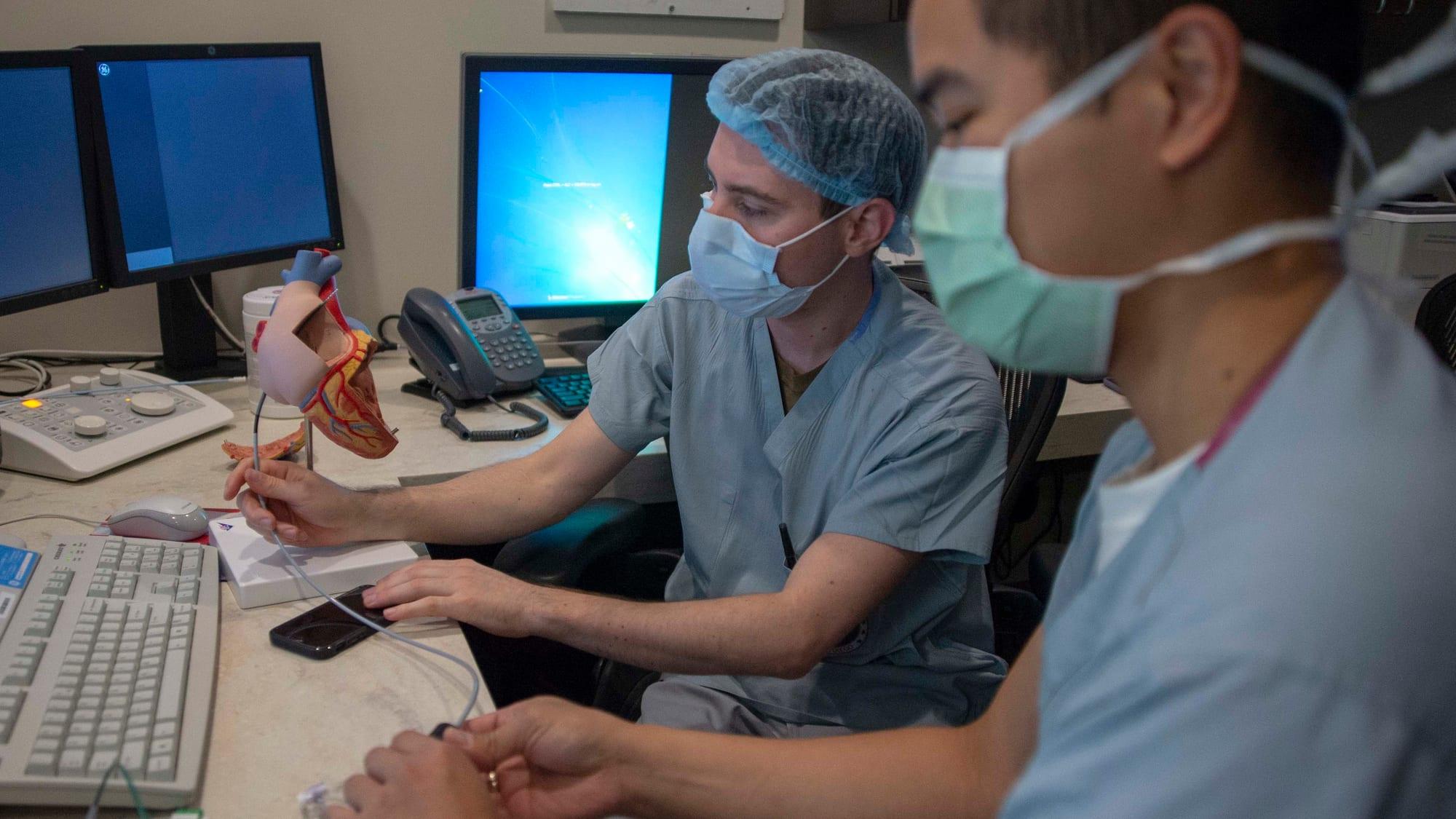
What to Know About Carotid Artery Stenting
What carotid artery stenting is, who it may be considered for, the procedure process, and what to watch for afterward, performed to reduce stroke risk.
Learn More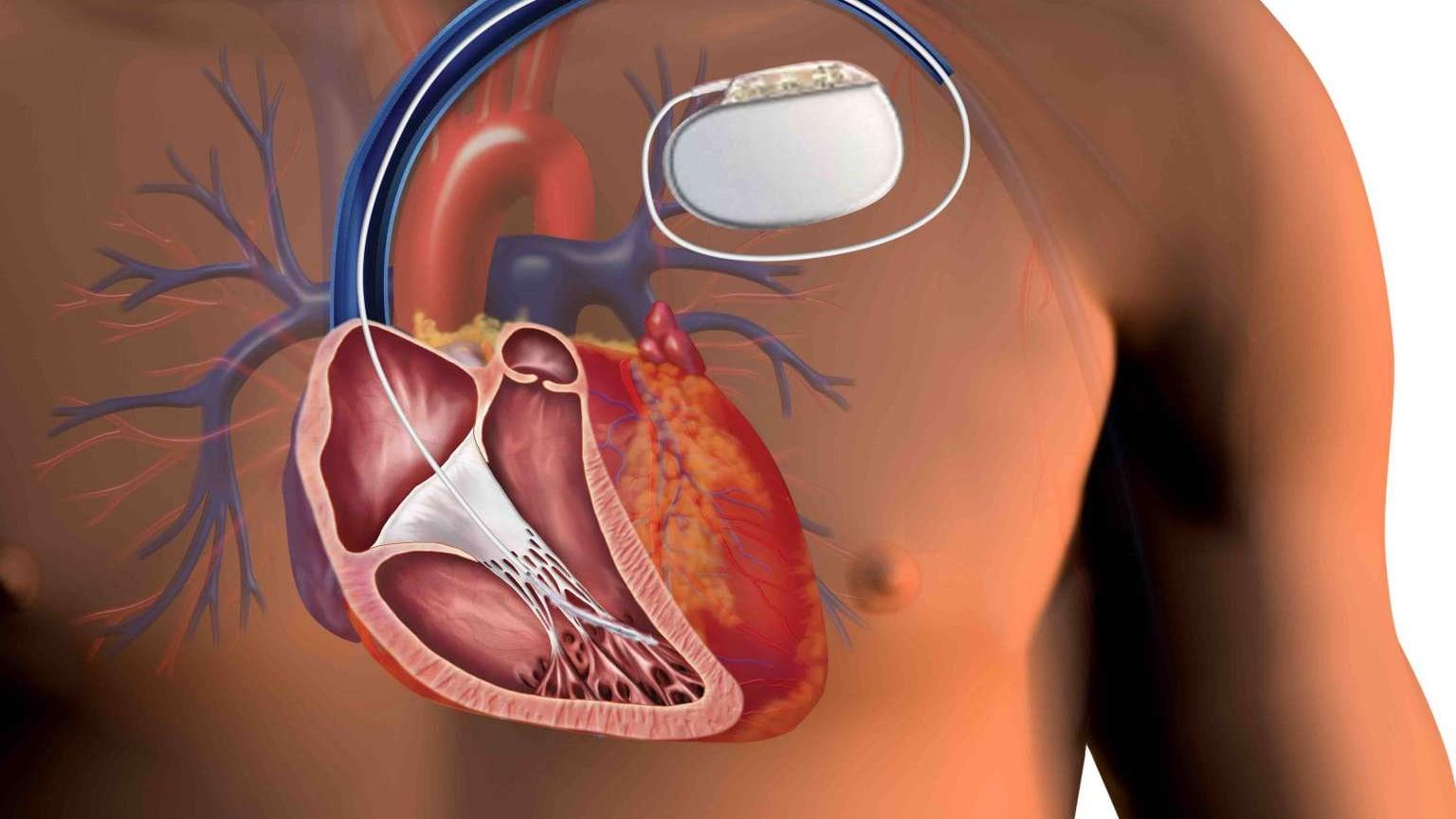
Life After ICD: What to Know
Practical information patients should know after implantable cardioverter-defibrillator (ICD) implantation, from the recovery process to daily life and device checkups.
Learn More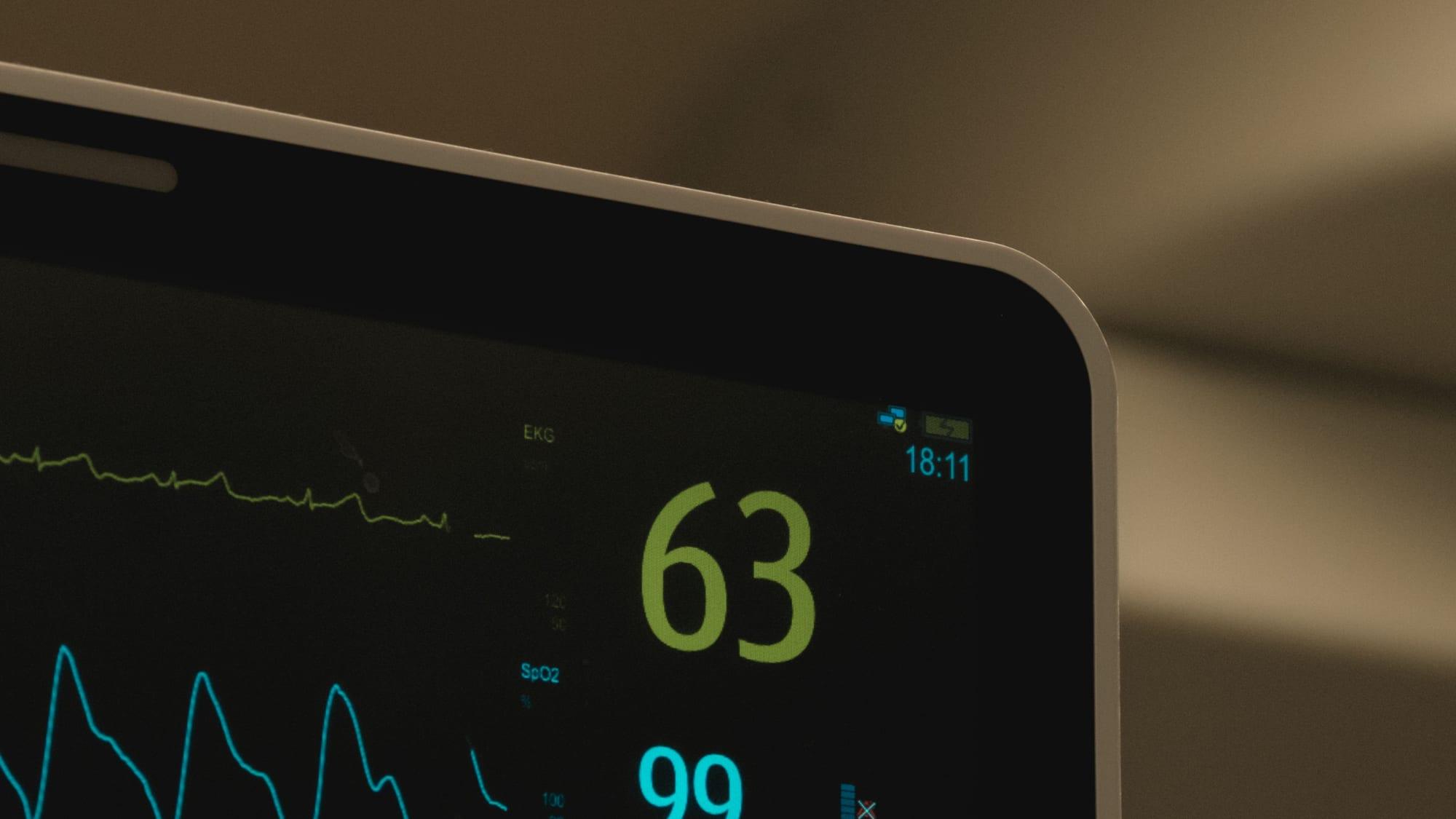
What to Know About Atrial Fibrillation (AF) Ablation
Practical information patients should know about the treatment of atrial fibrillation, the most common sustained heart rhythm disorder, with catheter ablation.
Learn More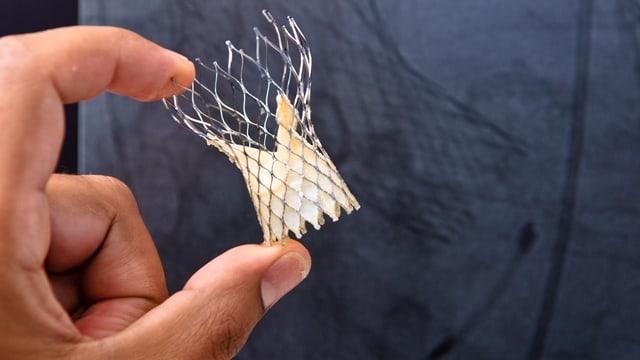
Life After TAVI: What to Know
Practical information patients should know after TAVI (transcatheter aortic valve implantation), from the hospital course to returning to daily life and regular follow-up.
Learn More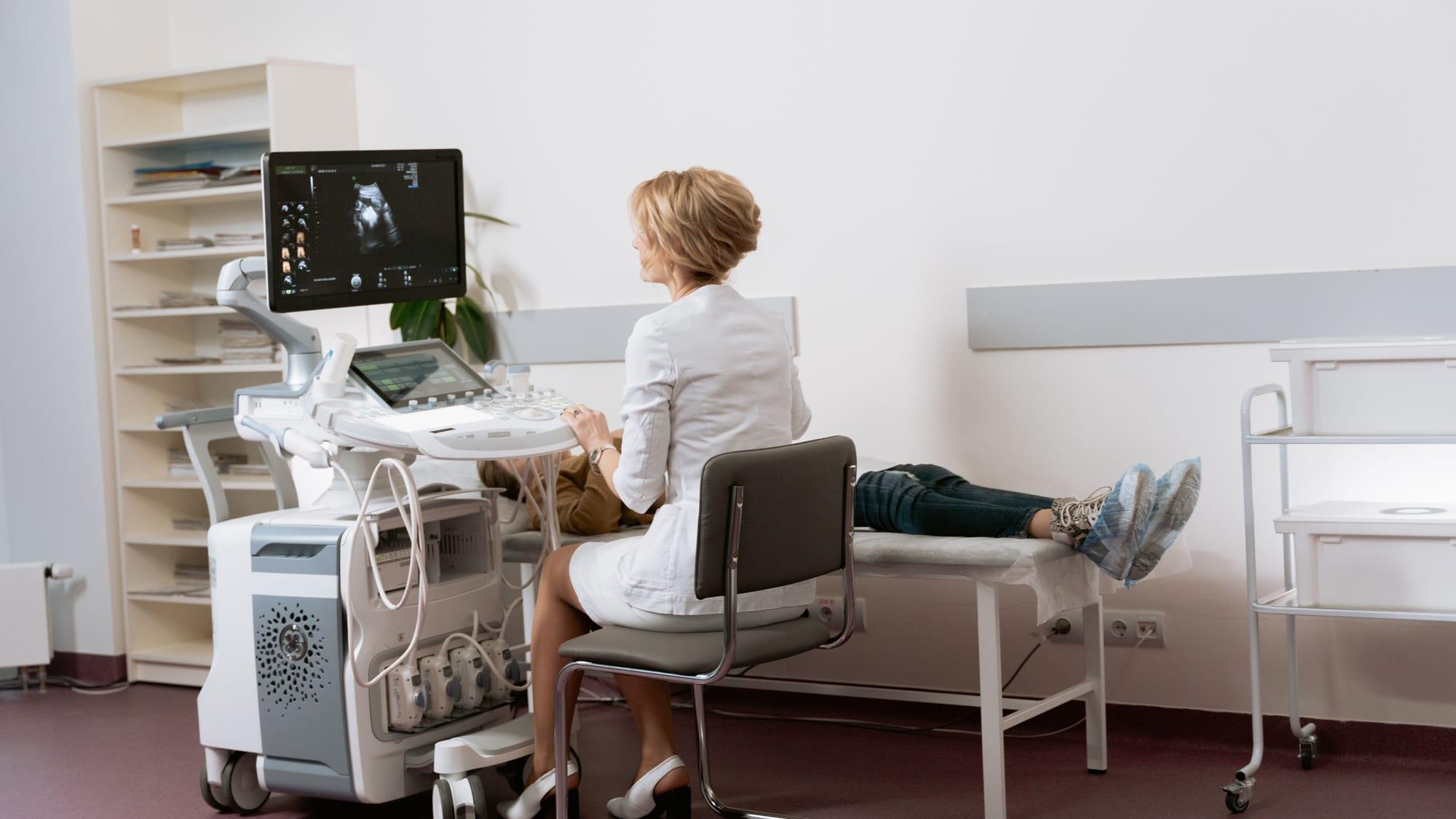
What Is Echocardiography (Echo), and When Is It Requested?
What to know about echocardiography (echo), requested for complaints such as shortness of breath, a murmur, or palpitations, including how it is performed and what the results mean.
Learn More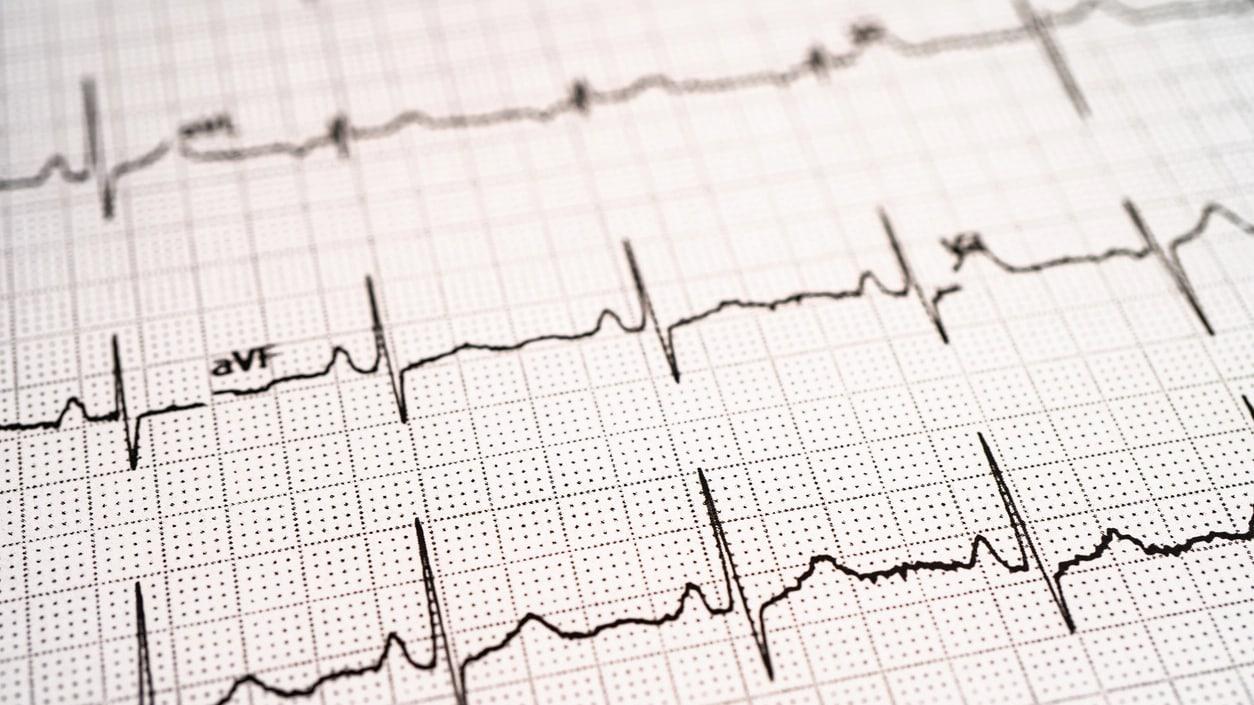
What Is an ECG, and When and Why Is It Performed?
What to know about the ECG, frequently requested for complaints such as palpitations, chest pain, or dizziness, including how it is performed and how the results are evaluated.
Learn More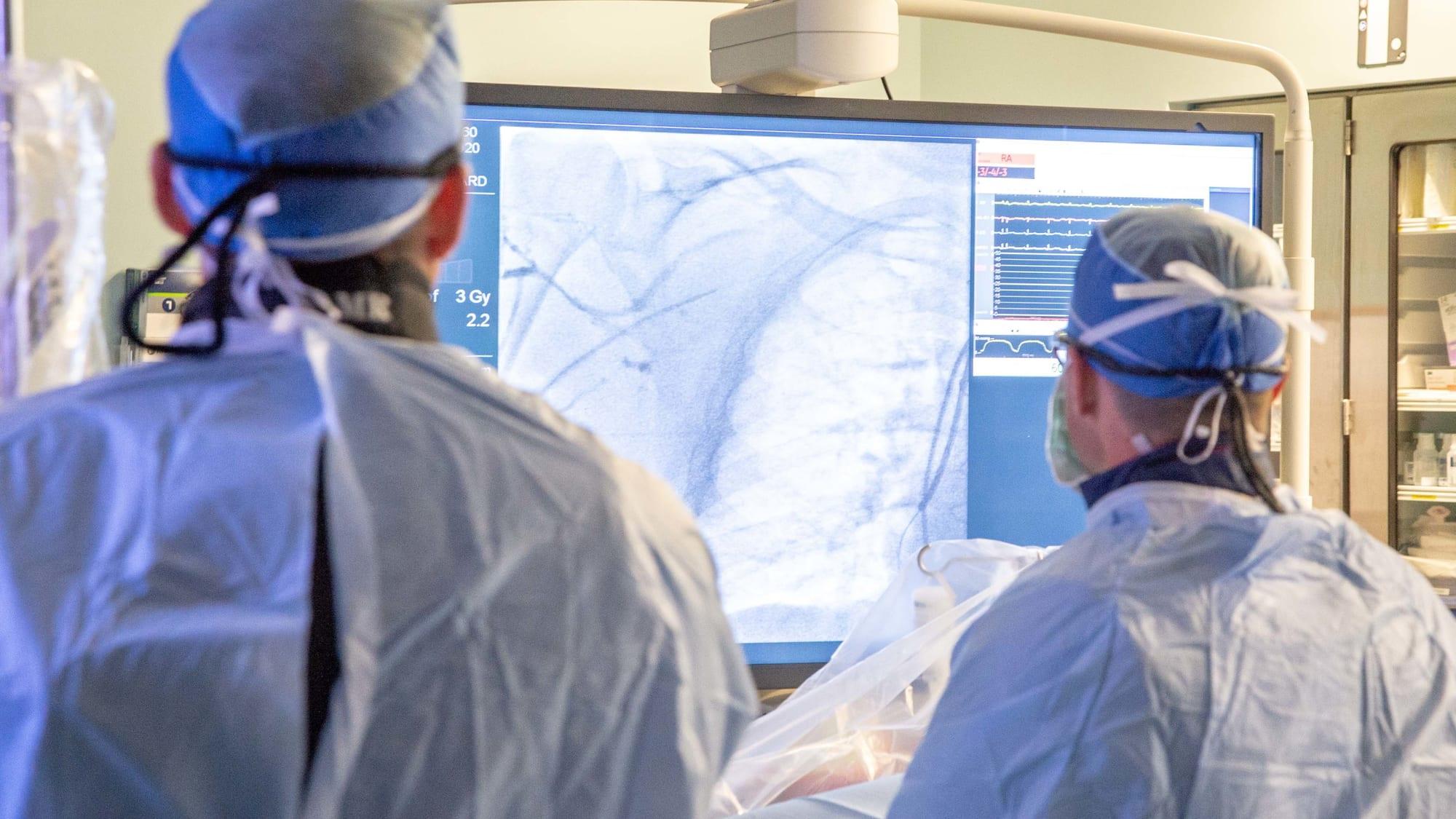
What You Should Know Before an Angiogram
Practical information patients should know from preparation for an angiogram (coronary angiography) through the first days after the procedure: preparation, the day of the procedure, the recovery process, and symptoms that require attention.
Learn More
What Should You Pay Attention to After an Angiogram?
Practical information patients need, from caring for the access site after an angiogram to returning to daily life and knowing which symptoms require a doctor's visit, all in one place.
Learn More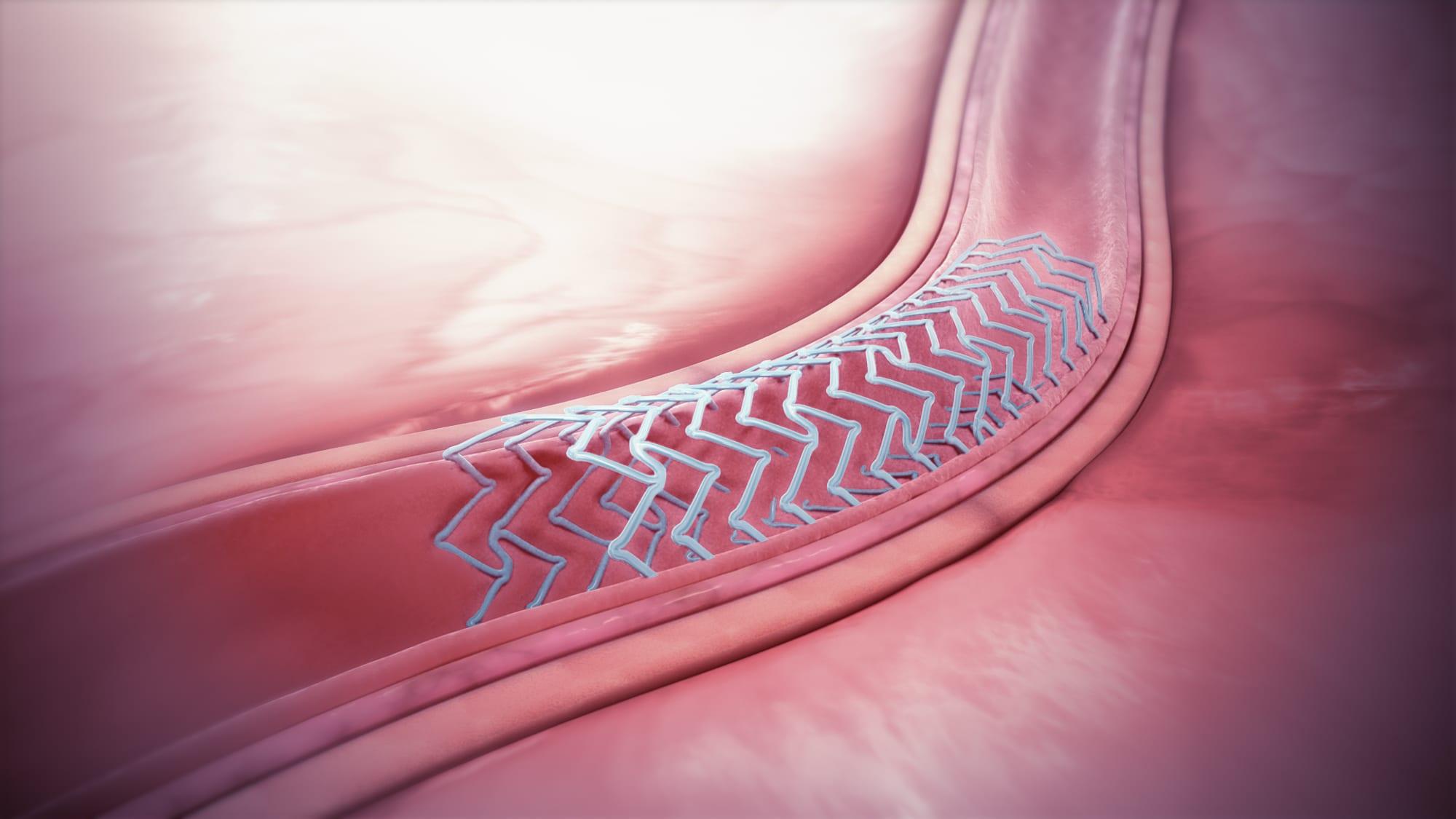
Daily Life After a Stent
Practical information patients need about how daily life takes shape after coronary stent placement, from medication use to returning to activity.
Learn More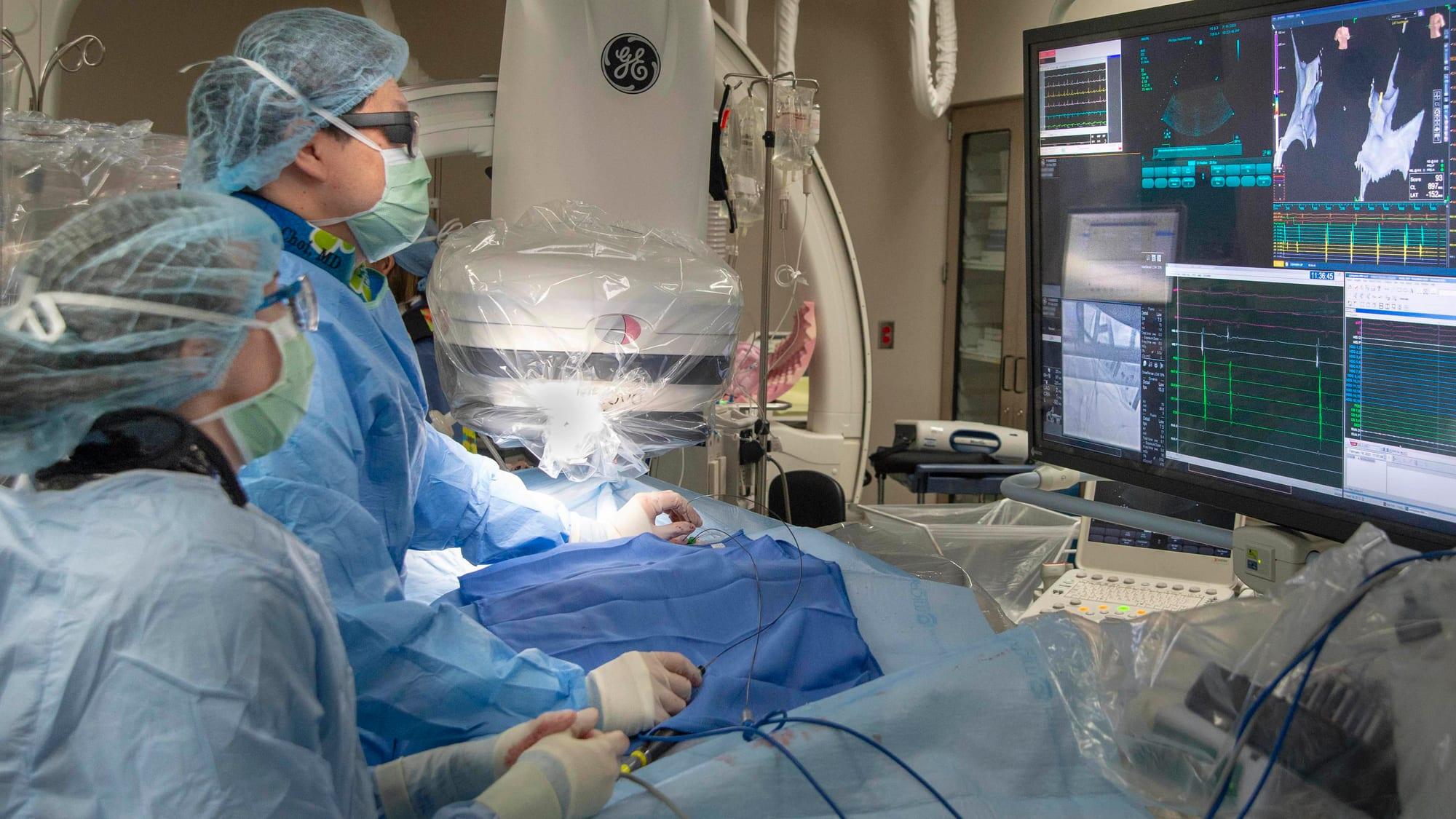
Preparation Before Catheter Ablation
General information about preparation, the day of the procedure, and the recovery process that patients should know in practice before and after catheter ablation.
Learn More
The Recovery Process After Ablation
Practical information about the process that awaits patients after catheter ablation: the day of the procedure, the first hours and days, returning to daily life, medication use, and when to see a doctor.
Learn More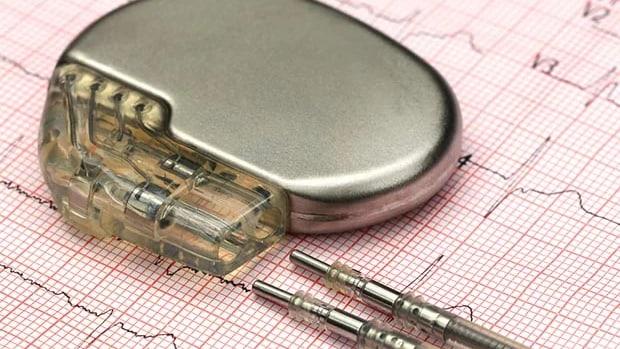
Life After a Pacemaker
The recovery process, daily life adjustments, and regular checkups that patients are curious about after pacemaker implantation are addressed in general terms in this informational article.
Learn MoreWould You Like to Book an Appointment?
Send us your request; we will get in touch with you about an evaluation process suited to your complaint and needs.
- Patient-specific evaluation
- Easy contact with a single request
- Transparent information