
What Is Extrasystole?
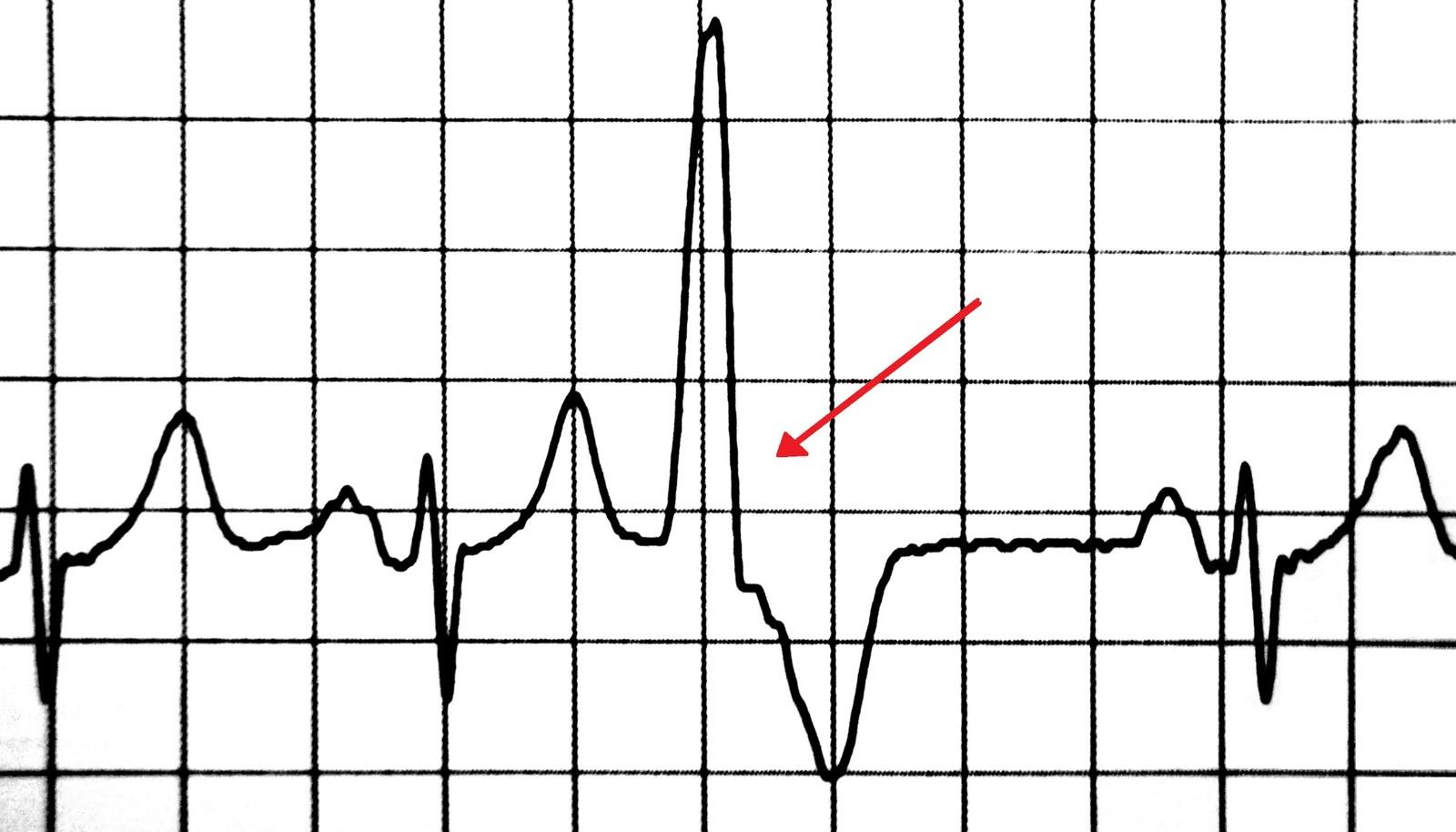
Extrasystole is a premature heartbeat that occurs outside the heart's normal rhythm. Patients often describe it as their heart "skipping a beat," "pausing and then beating again," or "beating extra hard."
Extrasystoles are divided into two main groups according to where they originate:
- Supraventricular extrasystole: originates in the heart's upper chambers (atria).
- Ventricular extrasystole (PVC): originates in the heart's lower chambers (ventricles).
Extrasystoles can also occur in healthy people and are usually not a serious problem. However, they should be evaluated if they occur very frequently, cause noticeable symptoms, or if there is an underlying structural heart condition.
How Is It Diagnosed?
An ECG can show extrasystoles, but episodes do not always occur during the ECG recording. For this reason, Holter ECG monitoring is an important diagnostic tool, especially in patients with frequent or intermittent palpitations.
Holter monitoring can assess:
- How frequently the extrasystoles occur
- Whether they are supraventricular or ventricular in origin
- Their distribution throughout the day
- Their effect on the heart rhythm
can be assessed.
When necessary, echocardiography is also used to examine the heart's structure and pumping function.
How Is It Treated?
Not every extrasystole requires treatment. In patients with a structurally normal heart and no significant symptoms, follow-up alone may be sufficient.
Medication may be used when symptoms are pronounced or when extrasystoles occur very frequently.
Catheter ablation is an effective treatment option, particularly for frequent ventricular extrasystoles, when they negatively affect the heart's pumping strength or when the patient has significant symptoms.
During ablation, the area of the heart causing the extrasystole is identified and treated using a specialized catheter.
Although most extrasystoles are benign, a cardiology evaluation — and Holter ECG monitoring if needed — is recommended if there are symptoms such as frequent recurring palpitations, fainting, chest pain, or shortness of breath.