
What Is CT Coronary Angiography (Virtual Angiography)?
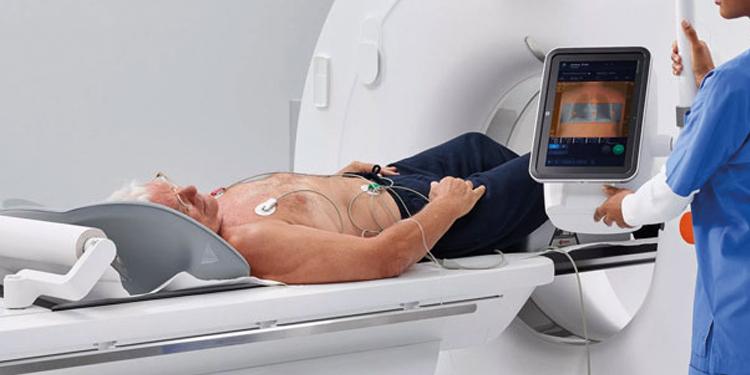
CT coronary angiography (CCTA) is a non-invasive imaging method used to visualize the arteries that supply the heart and to assess whether there is arterial stiffening, narrowing, or blockage.
Unlike conventional coronary angiography, no catheter is placed inside the coronary arteries.
Contrast material is given through a vein, and detailed images of the coronary arteries are obtained with a CT scanner.
When Is CT Coronary Angiography Performed?
It can be used particularly when coronary artery disease is suspected but has not been confirmed by initial assessments.
It may be considered in the following patients:
- Chest pain or discomfort of unclear cause
- Suspected stable coronary artery disease
- Intermediate or uncertain cardiovascular risk
- An inconclusive exercise or stress test result
- A need to assess the anatomy of the coronary arteries and arterial stiffening plaques
Depending on the technique used, CT coronary angiography can also provide information about the amount of calcium within the artery and the characteristics of any plaques.
What Can CT Coronary Angiography Show?
- Narrowings in the coronary arteries
- Arterial stiffening plaques
- Calcified and non-calcified plaques
- Significant coronary artery disease
- The general anatomy of the coronary arteries
can be shown.
The Difference Between CT Coronary Angiography and Conventional Coronary Angiography
CT Coronary Angiography: Non-invasive. Contrast material is given through a vein, and no catheter is placed in the coronary arteries.
Conventional Coronary Angiography: A catheter is advanced through an artery, and contrast material is delivered directly into the coronary arteries, which are then imaged.
If CT coronary angiography detects significant coronary artery disease, a conventional coronary angiogram may later be needed for treatment planning.
Summary
CT coronary angiography is an important, non-invasive imaging method used in suitable patients to investigate coronary artery disease.
Whether the test is needed is determined by evaluating the patient's symptoms, cardiovascular risk, heart rate, kidney function, suitability for contrast material use, and whether the CT images are likely to be of adequate quality.