
Chest Pain
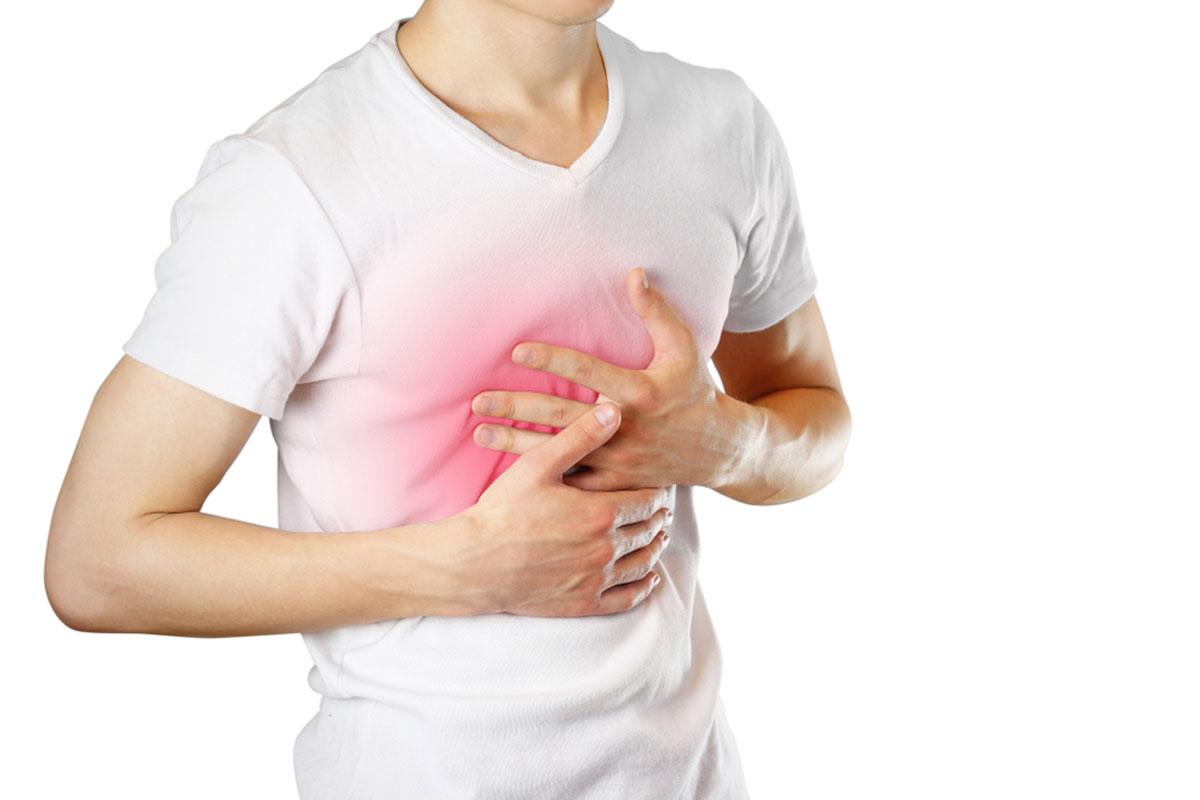
Chest pain is a symptom that can arise from a wide range of causes, from cardiac (heart-related) causes to musculoskeletal, digestive, or pulmonary causes. Heart-related chest pain is usually caused by the heart muscle not receiving enough blood and oxygen (myocardial ischemia) and is described as a feeling of pressure, tightness, or heaviness. Chest pain that starts suddenly, does not ease with rest, or occurs together with symptoms such as shortness of breath and sweating is a situation that needs to be evaluated without delay.
The nature, duration, and accompanying symptoms of chest pain provide important clues in distinguishing the possible cause. Below is a summary of common symptom patterns and known risk factors for chest pain of cardiac origin; this information is provided for awareness, not for making a diagnosis.
- Pressure sensation that increases with exertion — Pain felt as pressure, tightness, or heaviness in the center of the chest, brought on by exertion such as walking, climbing stairs, or excitement, and easing with rest, is a typical feature of angina pectoris.
- Pain spreading to the arm, jaw, or back — Pain spreading from the chest to the left arm, jaw, neck, or back is a common pattern of radiation seen in cardiac chest pain and may be accompanied by sweating, nausea, or shortness of breath.
- Known cardiovascular risk factors — Hypertension, diabetes, high cholesterol, smoking, a family history of early-onset heart disease, and older age are among the main factors that increase the risk of chest pain due to coronary artery disease.
- Pain at rest or of increasing frequency — A change in which pain that previously occurred only with exertion begins to be felt at rest as well, or becomes more frequent or severe, is a change that should be carefully evaluated.
The evaluation to determine the cause of chest pain begins with history-taking and physical examination and is supported, when necessary, by various cardiological tests. The methods used are determined by the nature of the pain, accompanying symptoms, and the person's risk profile.
- Electrocardiography (ECG) — assessment of the heart's electrical activity
- Echocardiography (echo) — imaging of heart muscle motion and structure
- Exercise stress test (treadmill test) — investigating evidence of ischemia brought on by exertion
- Blood tests — assessment of markers of heart muscle damage (e.g., troponin)
- Coronary CT angiography or myocardial perfusion scintigraphy — advanced imaging methods
- Coronary angiography — for situations requiring direct visualization of vessel narrowing
In the situations below, further cardiological testing and, if necessary, interventional evaluation may be considered; the final decision is made by the cardiology specialist based on the person's clinical picture and test results.
- Evidence of ischemia on exercise testing — When a stress test reveals findings indicating insufficient blood flow to the heart muscle, more detailed imaging of the coronary arteries may be considered.
- Suspected coronary narrowing on imaging — Findings suggestive of vascular narrowing on methods such as coronary CT angiography or scintigraphy may create a need for confirmation with coronary angiography.
- Chest pain at rest or of increasing frequency — Angina symptoms becoming more frequent, more severe, or occurring at rest may require closer cardiological follow-up and possible interventional evaluation.
- Known history of coronary artery disease — In people with a prior history of coronary narrowing or stenting, new or differently characterized chest pain may require re-evaluation.
Treatment for chest pain is shaped by the underlying cause. In chest pain of cardiac origin, the approach generally starts with lifestyle adjustments and progresses in stages to medication and interventional methods when necessary.
- First step — Lifestyle adjustments — Quitting smoking and regular physical activity, together with control of blood pressure, cholesterol, and blood sugar, form the basis of managing coronary artery disease.
- Medical treatment — Medication — Treatments such as antiplatelet, statin, beta-blocker, or nitrate-class medications may be arranged to control symptoms and reduce cardiovascular risk.
- Interventional treatment — Percutaneous coronary intervention (balloon angioplasty and stenting) — For significant narrowings identified with coronary angiography, opening the vessel via catheter and placing a stent when necessary is one of the main treatment options in interventional cardiology.
- Advanced option — Surgical evaluation — In certain special situations such as multivessel involvement, coronary bypass surgery may be an option evaluated together with the cardiovascular surgery team.
Regular follow-up after treatment for chest pain is important for the early detection of any recurrence of symptoms and for assessing the effectiveness of the treatment given. The main points generally attended to during follow-up are:
- Monitoring symptoms — Tracking whether there is a change in the frequency, severity, or nature of chest pain after treatment provides important information about how the process is progressing.
- Medication adherence — Taking prescribed medications regularly and as recommended plays a decisive role in keeping coronary artery disease under control.
- Follow-up examinations and tests — Follow-up examinations at set intervals and, when necessary, repeated tests such as ECG, echo, or exercise testing help in assessing the treatment process.
- Management of risk factors — Monitoring blood pressure, cholesterol, and blood sugar levels, along with measures such as quitting smoking, remains important for long-term heart health.
The information here is for general informational purposes; the diagnosis and treatment plan are determined following an individualized evaluation.