
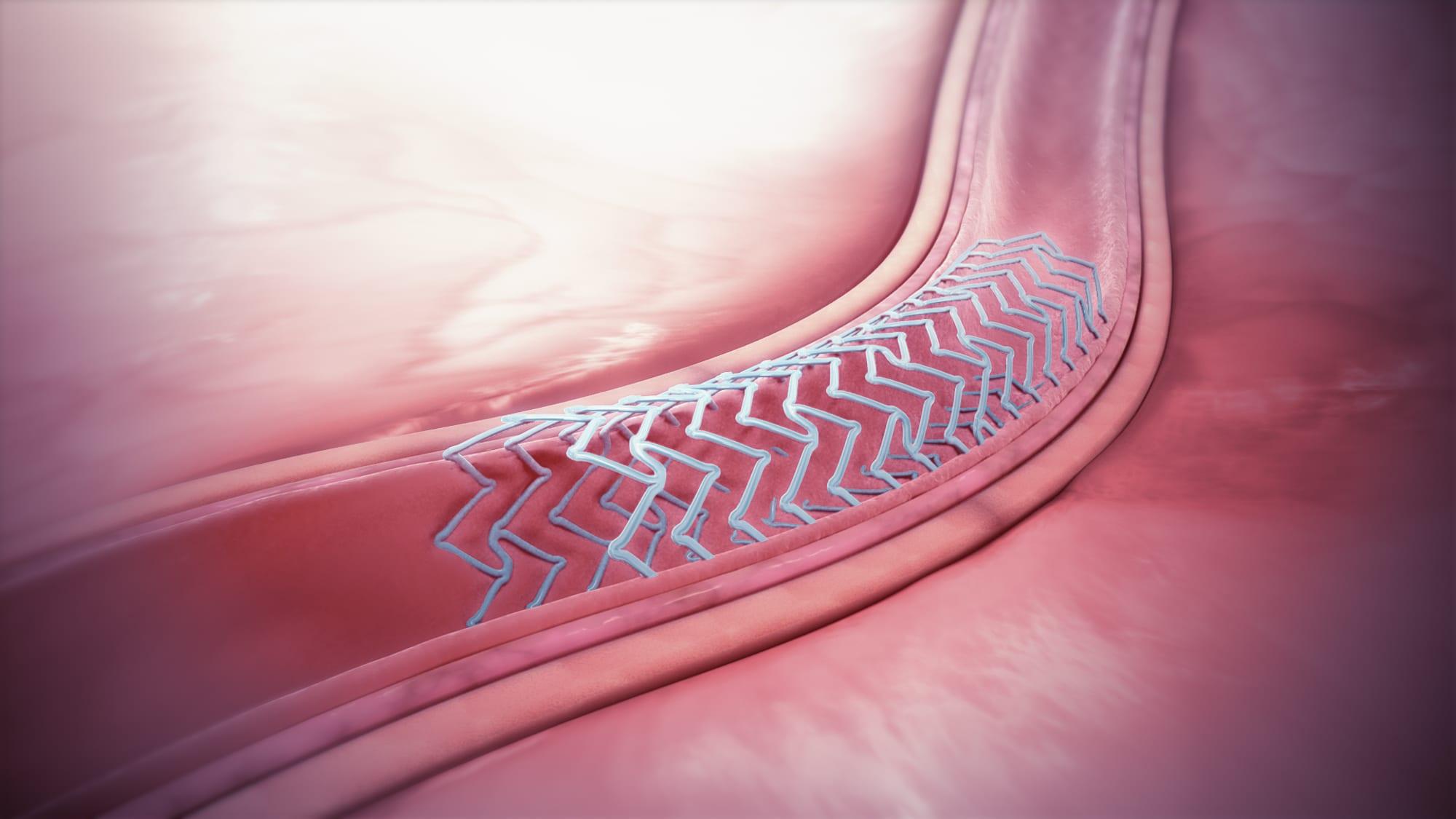
How daily life takes shape after a stent varies depending on the vessel where the procedure was performed and the patient's general health condition, but most patients can gradually return to their daily activities within a short time. Two key factors that determine this process are regular adherence to the medication therapy recommended by the doctor (especially dual antiplatelet therapy) and not missing follow-up appointments. The sections below summarize the practical information generally useful for patients to know, from before the procedure to returning to daily life.
Preparation Before the Procedure
Before coronary angiography and, if necessary, stent placement, the patient is generally asked to fast for a certain period; this period is communicated by the team planning the procedure. Tests such as blood tests, an ECG, and, when needed, echocardiography are evaluated before the procedure to obtain information about the patient's general condition.
It is important to discuss all medications currently being used, especially blood thinners, and any allergies to contrast dye or medications, with the physician before the procedure. Only the treating physician decides whether certain medications should be temporarily stopped before the procedure; the patient should not make medication changes on their own.
- Fast for the period specified by the doctor
- Report all medications being used and any allergies in advance
- Come with a companion on the day of the procedure if possible
- Remove valuables and jewelry before the procedure
The Day of the Procedure: How Angiography and Stent Placement Are Performed
The procedure is generally performed under local anesthesia, accessed through an artery in the wrist (radial) or groin (femoral) region. A thin catheter is advanced to the arteries that supply the heart, and the vessels are visualized with the help of contrast dye; this imaging is called coronary angiography.
If a blockage or narrowing is detected in the vessel, a stent may be placed at the site after the narrowing is widened with balloon angioplasty. The patient is generally awake and conscious during the procedure; the duration of the procedure can vary depending on the location and complexity of the narrowing.
The First Hours and Days After the Procedure
After the procedure, pressure is applied to the access site, and the patient may be asked to remain still for a period to prevent bleeding; this period is generally shorter for procedures performed through the wrist than through the groin. The hospital stay is mostly limited to a same-day observation or an overnight observation, but this varies entirely depending on the patient's condition.
Mild bruising, tenderness, or slight swelling at the access site is commonly seen. However, if a marked increase in swelling, bleeding that does not stop, or severe pain is noticed in the area, it is recommended to contact the treating team.
- Keep the access site dry and clean
- Avoid heavy lifting and strenuous movements for the period specified by the doctor
- Drink plenty of fluids to help clear the contrast dye from the body
- Follow the instructions given regarding the bandage/dressing at the access site
Returning to Daily Life and Activity
The process of returning to daily life varies from person to person; patients with desk jobs can generally return to work within a few days, while this period can be longer for jobs requiring physical effort. It is important to follow the timeline given by the treating physician for daily activities such as driving and climbing stairs.
The return to physical activity should be gradual, starting with light exercise such as walking and increasing over time. Cardiac rehabilitation programs recommended at many centers can play a supportive role in increasing exercise capacity in a safe and controlled manner.
- Start exercise at a light pace and gradually
- Stop smoking
- Maintain a balanced diet low in salt and saturated fat
- Monitor blood pressure and weight regularly
- Pay attention to stress management
When Should You See a Doctor or Go to the Emergency Room
In the period after a stent, certain symptoms may require urgent evaluation. It is recommended to go to a healthcare facility without delay in situations such as a feeling of pressure, tightness, or pain in the chest, shortness of breath, sudden and severe palpitations, or a feeling of fainting.
Bleeding at the access site that does not stop, rapidly increasing swelling, fever, or signs of infection are also among the situations that require contacting the treating team or the nearest emergency department. In any situation involving uncertainty, contacting a doctor or healthcare facility, rather than interpreting it on your own, is the safest approach.
- Chest pain, pressure, or a feeling of tightness
- Shortness of breath
- Bleeding at the access site that does not stop, or rapidly increasing swelling
- Fever or signs of infection
- Sudden palpitations, dizziness, or a feeling of fainting
Follow-Up Appointments and Long-Term Monitoring
Regular attendance at the follow-up appointments scheduled after stent placement is important for evaluating the course of treatment and general heart health. At these appointments, tests such as an ECG, echocardiography when needed, and blood tests can be used to monitor both the vessel where the stent is located and general risk factors (such as cholesterol, blood pressure, and blood sugar).
In the long term, maintaining lifestyle habits that support cardiovascular health holds a place as important as medication adherence. It is recommended to contact the physician if any new complaint or uncertainty arises, without waiting for the scheduled follow-up date.
Frequently asked questions
This period varies depending on the person's general health condition, the type of procedure performed, and the type of work they do. While a return to light daily activities is generally possible within a short time, the process can take longer for jobs requiring physical effort and for heavy exercise; the exact timeline is determined by the treating physician.
It is generally recommended to start physical activity gradually, with light-paced walking. The transition to intense or heavy exercise should be planned with the physician's assessment and, if necessary, alongside a cardiac rehabilitation program.
Because travel plans can vary depending on the time elapsed since the procedure and the patient's general condition, it is recommended to consult with the treating physician before traveling.
The duration varies depending on the type of stent used and the patient's clinical condition, and it is the treating physician who determines this duration. It is important not to stop these medications early without consulting the doctor, because the risk of clot formation within the stent can increase.
It is recommended to go to a healthcare facility without delay for symptoms such as chest pain or a feeling of pressure, shortness of breath, bleeding at the access site that does not stop or rapidly increasing swelling, fever, or a feeling of fainting.